About
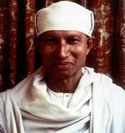
Anagarika Munindra is a meditation teacher in the Meditation tradition.
Teaching focus
His teaching followed classical Burmese mindfulness practice with a relaxed, conversational style that became a hallmark of how Insight Meditation was eventually transmitted to Western students. He was known for his patient, gentle voice and for sayings that became foundational to the lay-teacher Insight tradition. The work draws on Theravada Buddhism in its classical form as the foundational framework, taught with care for the textures of present experience rather than as abstract doctrine. Mindfulness of breath, body, feeling tone, and mental states forms the spine of the practice, with the four foundations of mindfulness as the standard organizational frame. The brahmaviharas, lovingkindness, compassion, sympathetic joy, and equanimity, are taught as serious meditative work alongside the mindfulness curriculum. Lovingkindness gets serious time on retreat, treated as central practice rather than supplemental, and the broader brahmavihara framework offers additional ground for the slower work of equanimity and forgiveness. Daily-life integration runs through the recorded teaching as a steady concern. The same awareness that opens during a sit is the awareness that meets traffic, family, and work, and the teaching keeps coming back to that continuity rather than treating retreat as a separate world. Across the recorded teaching runs a steady commitment to the actual work of practice, the slow unfolding that doesn't always make for inspirational soundbites but that carries the path forward across years of sitting. The recorded talks return often to the question of how practice meets specific lives rather than an idealized practitioner, and the careful framing of instructions reflects that orientation. Students don't have to fit themselves to the teaching; the teaching meets them where they actually are.
Background
Anagarika Munindra is an established teacher in the Theravada tradition descended from the Burmese and Thai vipassana lineages as carried into the West. Anagarika Munindra (1915-2003) was an Indian Theravada teacher who taught vipassana at the Burmese Vihar in Bodhgaya, India, and was one of the most important teachers in the transmission of Burmese vipassana practice to the founding generation of Western Insight teachers, including Joseph Goldstein, Sharon Salzberg, and Ram Dass. The recorded archive holds over 100 talks from his teaching career. The Dharma Seed archive at dharmaseed.org/teacher/129 holds about 104 recorded talks across 1 retreats, a substantial body of work for students to study at distance. Established teachers occupy a useful middle position in the directory, with enough recorded teaching to give students a sustained body of work to study, and enough ongoing practice to keep developing. Students often note a warm, grounded presence and an ability to slow practice down to its actual texture rather than rush through technique. The lay-teacher form of practice this teacher works within asks something specific of students: they have to take responsibility for their own practice in ways monastic students don't always have to, since the structures of monastic life don't carry them. That responsibility is part of what the teaching points at. The wider Western Buddhist landscape that grew up across the second half of the twentieth century has produced a range of teaching voices working at the meeting point between classical Asian sources and contemporary lay practice, and this teacher is one of those voices. Across the recorded body of work runs a consistent attention to what's actually workable inside ordinary obligations rather than only in retreat.
Lineage
Munindra trained in the Burmese Mahasi tradition and taught at the Burmese Vihar in Bodhgaya, India for decades. He was the primary teacher for many of the Westerners who later founded IMS and shaped contemporary Insight Meditation in the West. The teacher works as a layperson, in keeping with the broader Western lay-teacher form of the tradition. He taught at the Burmese Vihar in Bodhgaya, India for decades, and his students founded much of the contemporary Western Insight Meditation tradition.
What to expect
Munindra is no longer teaching, having passed away in 2003. The recorded archive captures his teaching style and serves as a foundational resource for understanding the roots of contemporary US Insight Meditation. Retreats typically follow a classical Theravada structure with sittings, walking meditation, dharma talks, and one-on-one meetings with the teachers, often with chanting and shorter formal periods built into the schedule. The pacing is careful and the teaching is specific, suiting practitioners who want concrete instruction over inspirational framing. For practitioners working at distance, recorded talks and online programs often offer a good initial point of contact, with in-person retreat following once the teaching voice and approach have become familiar.