About
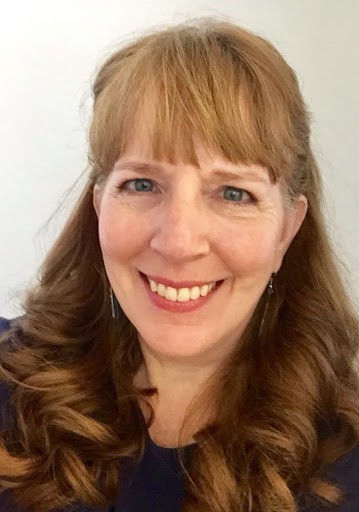
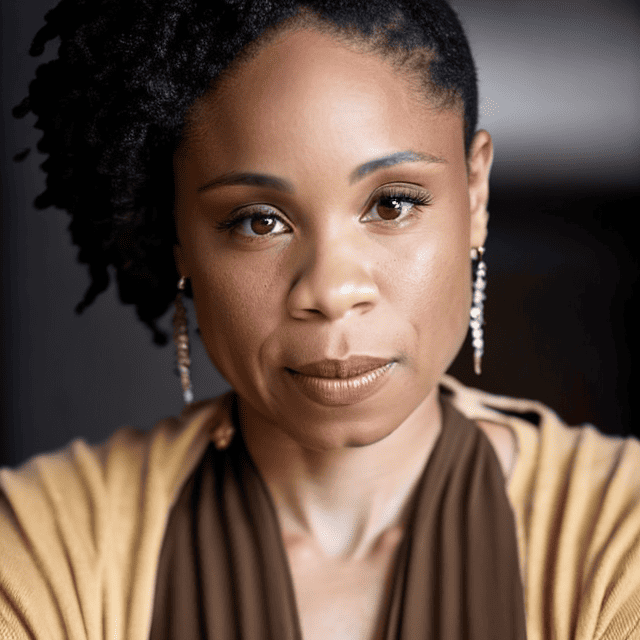
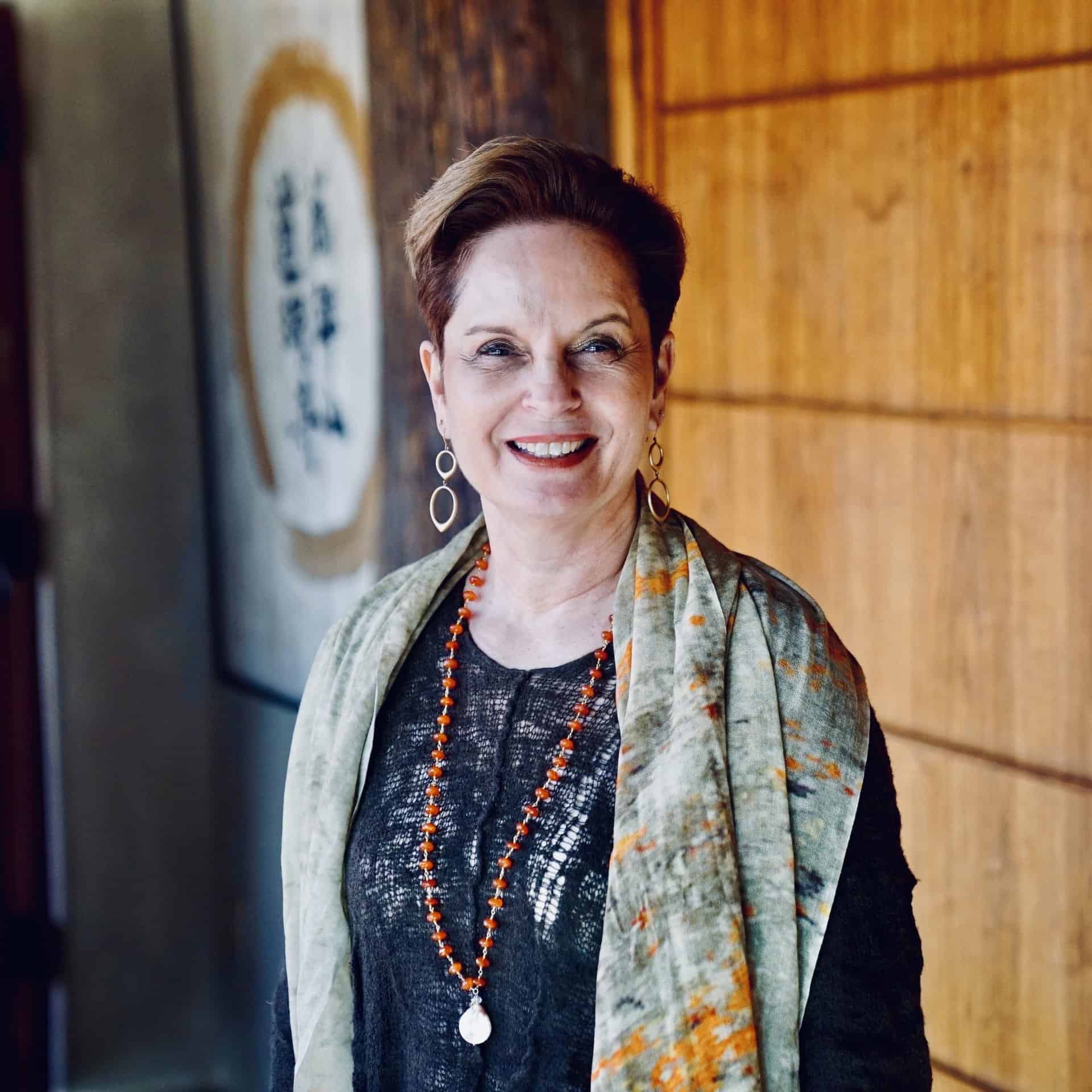
Cynda Hylton Rushton is the Bunting Professor of Clinical Ethics and Professor of Nursing and Pediatrics at Johns Hopkins University. She is a nurse, clinician, educator, and researcher focused on clinical ethics, palliative care, and end-of-life care for children. Rushton has led initiatives to integrate contemplative practices in health care settings to address moral distress among clinicians and patients. She designed and evaluated the Mindful Ethical Practice & Resilience Academy (MEPRA) for nurses. Since 2001, she has served as a teacher in Upaya Zen Center's Being With Dying Professional Training program and as core faculty in G.R.A.C.E. She has collaborated with Roshi Joan Halifax and Al Kaszniak on frameworks for moral distress and moral discernment. She is the author of Moral Resilience: Transforming Moral Suffering in Healthcare, published by Oxford University Press.
Teaching focus
Rushton's teaching at Upaya sits inside the center's Soto Zen container. The basic form is zazen, just sitting, with the posture and breath held lightly and the mind allowed to settle without force. Around that core, Upaya's programs build out a wider arc that includes the Bodhisattva precepts, oryoki meal practice, walking meditation (kinhin), dharma talks, and the GRACE framework Roshi Joan developed for clinicians working at the bedside. Rushton teaches inside that framework, which means the work isn't just on the cushion. Students are asked to bring practice into the spaces where it actually gets tested: at the bedside, in conversation, in moments of grief or political reactivity, in the long, slow work of climate and justice. Upaya's approach is recognizable for its refusal to keep zazen and the world in separate boxes. The cushion and the clinic, the cushion and the kitchen, the cushion and the protest line are all treated as the same field of practice, not different ones. Rushton's contribution stays in that key. Teaching sessions emphasize uprightness, attention, and the Bodhisattva vow as something lived in specific situations rather than recited as an idea. There's room for silence. There's also room for hard conversations about what practice asks of a person in a world under pressure.
Background
Cynda Hylton Rushton, PhD, RN, FAAN appears in Upaya Zen Center's teacher and faculty roster as part of the wider contemplative community Roshi Joan Halifax has gathered in Santa Fe, New Mexico, over the past four decades. The biographical material on file is drawn directly from Upaya's own teacher page and reflects what Rushton has chosen to share there. Dr. Cynda Hylton Rushton is the Bunting Professor of Clinical Ethics and Professor of Nursing and Pediatrics at the Johns Hopkins University Berman Institute of Bioethics and Schools of Nursing & Medicine. She is the Co-Chair of the Johns Hopkins Hospital Ethics Committee and Consultation Service. A clinician, educator, researcher and advocate for compassionate health care with decades of nursing experience, Dr. Rushton’s work focuses on clinical ethics, palliative and end-of-life care, particularly for children, as well as integrated organizational change and ethical leadership. She has led numerous initiatives to cultivate contemplative practices that foster awareness, inquiry and resilience in complex health care settings and to address the detrimental effects of moral distress on clinicians, patients and families. She designed, implemented and evaluated the Mindful Ethical Practice & Resilience Academy (MEPRA) for nurses. She has published hundreds of articles and book chapters on related topics. Since 2001, she has served as a teacher and collaborator in Upaya’s Being With Dying Professional Training program and as core faculty in G.R.A.C.E. Along with Roshi Joan Halifax and Al Kaszniak, she has collaborated in the development of a framework and strategies for addressing moral distress and understanding the process of moral discernment. She has received fellowships from the Robert Wood Johnson Foundation (Executive Nurse Fellow), Mind and Life Institute and Kornfeld Foundation. Currently her research focuses on the cultivation of moral resilience in response to adversity created by ethical conflicts and designing a culture that fosters ethical practice. Her book, “ Moral Resilience: Transforming Moral Suffering in Healthcare ” is published by Oxford University Press. That body of work places Rushton inside a center known for blending Soto Zen practice with contemplative care for the dying, climate work, neuroscience dialogues, and a long-running program for clinicians and chaplains called GRACE. Upaya's roster mixes resident priests with visiting scholars, doctors, scientists, poets, and indigenous knowledge holders, and the programs reflect that blend. Rushton's appearances at Upaya situate this work inside that wider conversation between zazen and the world it sits inside. For practitioners who arrive at Upaya through a sesshin or a Being with Dying training, the common thread is a posture of upright, alert presence under whatever conditions show up. The forms are recognizably Soto Zen: zazen, kinhin, oryoki, the Bodhisattva precepts, dharma talks, and dokusan with senior teachers. The framing is wider than any single discipline, which is part of what has made Upaya a meeting ground for working clinicians, scientists, artists, and long-time Buddhist practitioners. Rushton contributes to that container in the role Upaya's website assigns. People interested in the specific arc of Rushton's career outside Upaya can follow the linked website and external publications listed on the Upaya page itself, which is where any deeper biographical detail belongs.
Lineage
Rushton's teaching home for the work documented here is Upaya Zen Center in Santa Fe, founded by Roshi Joan Halifax in the 1980s and rooted in the Soto Zen lineage. Upaya's broader faculty includes resident priests, visiting senior teachers, scientists, clinicians, poets, and indigenous knowledge holders. Rushton contributes as part of Upaya's wider faculty rather than as a Zen priest. Information about specific dharma transmission lines, ordination, or external lineage roots belongs on Rushton's own site rather than fabricated here.
What to expect
In a program with Rushton at Upaya, expect zazen and Soto Zen forms held alongside teaching focused on contemplative care for the dying, grief, and serious illness. Many of these programs draw on Upaya's Being with Dying curriculum and the GRACE framework Roshi Joan developed for clinicians. There's room for personal experience and difficult emotion, held inside the container of practice rather than processed away. The schedule is recognizable as Zen: sittings, walking, meals, talks, and time for questions. Quiet is taken seriously. Most participants leave with both a steadier practice and a more honest relationship with mortality.