About
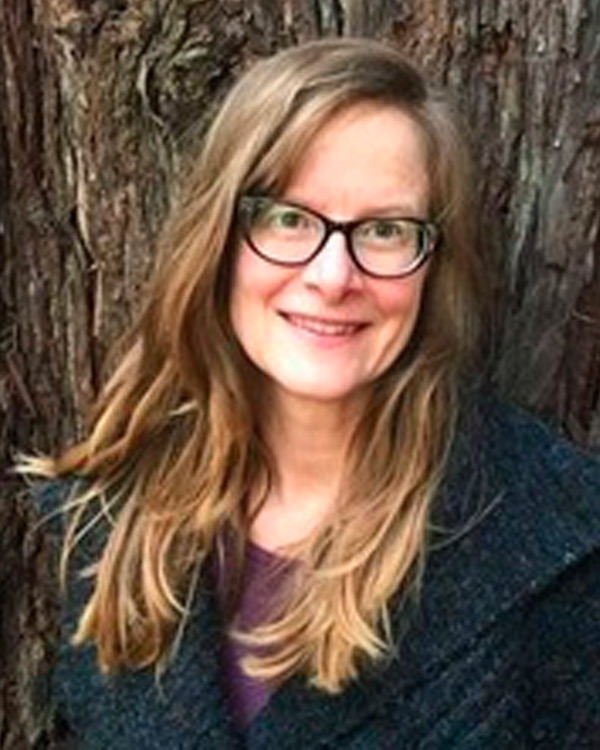
Dr. Melanie Harris teaches at the Barre Center for Buddhist Studies. She co-leads retreats that integrate Buddhist practice with African American Spirituals and Civil Rights music. Her work focuses on Buddhist teachings in relation to social justice and liberation.
Teaching focus
Her teaching integrates Buddhist mindfulness with African American Spirituals, Civil Rights music, and explicit attention to liberation as the framework that connects contemplative practice and social justice work. The work draws on the Insight Meditation lay-teacher lineage as the foundational framework, taught with care for the textures of present experience rather than as abstract doctrine. The four foundations of mindfulness, breath, body, feeling tone, and mental states, organize the formal practice, with lovingkindness woven through as supporting work. Sitting and walking are the standard formal forms, paired with daily-life mindfulness as the integration practice. Lovingkindness gets serious time on retreat, treated as central practice rather than supplemental, and the broader brahmavihara framework offers additional ground for the slower work of equanimity and forgiveness. Daily-life integration runs through the recorded teaching as a steady concern. The same awareness that opens during a sit is the awareness that meets traffic, family, and work, and the teaching keeps coming back to that continuity rather than treating retreat as a separate world. Across the recorded teaching runs a steady commitment to the actual work of practice, the slow unfolding that doesn't always make for inspirational soundbites but that carries the path forward across years of sitting. The recorded talks return often to the question of how practice meets specific lives rather than an idealized practitioner, and the careful framing of instructions reflects that orientation. Students don't have to fit themselves to the teaching; the teaching meets them where they actually are.
Background
Dr. Melanie Harris is an established teacher in the Insight Meditation tradition descended from the Burmese and Thai vipassana lineages as carried into the West. Dr. Melanie Harris teaches at Barre Center for Buddhist Studies. She co-leads retreats that integrate Buddhist practice with African American Spirituals and Civil Rights music. Her work focuses on Buddhist teachings in relation to social justice and liberation. The teacher's recorded material is mostly hosted through affiliated centers and personal platforms rather than through Dharma Seed. Established teachers occupy a useful middle position in the directory, with enough recorded teaching to give students a sustained body of work to study, and enough ongoing practice to keep developing. The recordings carry a quiet warmth and an attentive specificity, the kind of teaching that rewards careful listening over time. Practitioners encountering this teacher's work for the first time often start with a recorded talk on a topic that addresses something current in their practice, then move into longer retreats once the voice and the framing become familiar. The recorded archive supports that gradual on-ramp without requiring a full commitment up front. The teaching reflects both the depth of a long practice lineage and the practical concerns of contemporary practitioners working ordinary jobs, raising children, and trying to integrate serious dharma into lives that don't pause for retreat. That practical orientation runs through the recorded material as a steady undercurrent.
Lineage
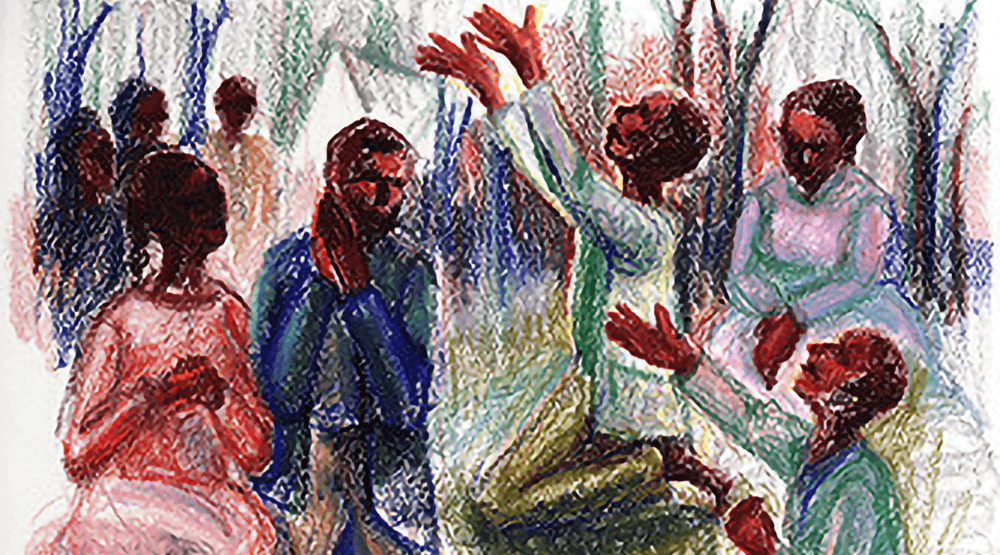
Harris teaches at BCBS with attention to the meeting between Buddhist practice and the African American spiritual tradition. The teacher works as a layperson, in keeping with the broader Western lay-teacher form of the tradition. She teaches at Barre Center for Buddhist Studies, often co-teaching with Joshuah Brian Campbell.
What to expect
Retreats integrate sitting practice with sacred music traditions and reflections on liberation. The work bridges contemplative practice and social transformation. Retreats follow standard Insight format: sittings, walking, dharma talks, and meetings with the teachers, with lovingkindness practice woven through and daily-life integration treated as serious work rather than an afterthought. The setting is unceremonial and present-focused, with care taken that practice meets the actual lives students walk in carrying. Students new to the teacher's work often find it useful to start with a shorter program or a recorded talk before committing to a longer residential retreat, both to get a feel for the teaching voice and to clarify whether the format suits their practice at this stage.