About
Keith Carpenter is associated with the Rochester Zen Center, one of the largest Zen centers in North America. The Center was founded as part of the lineage beginning with Roshi Philip Kapleau, who established American Zen practice in the 1960s. The Rochester Zen Center operates daily meditation services, residential training programs, and introductory workshops. Current co-directors are Sensei John Pulleyn and Sensei Dhara Kowal, with Sensei Jissai Prince-Cherry also teaching at the Center.
Teaching focus
Keith Carpenter's teaching focus, drawn from the source profile, sits in the Zen tradition. Several threads come up: steady attention to body and breath; the relationship between ethics and meditation; and short, direct teachings rather than long talks. On talks, the style is closer to thinking-along than presenting. Keith Carpenter works with whatever shows up in the room rather than reading from notes, which is part of why these talks land as conversational instead of scripted. Short pauses, longer sits, and questions that come back to direct experience are usual. Listed specialties on the source profile include beginners. The bigger move Keith Carpenter keeps making is back toward attention itself: what's happening, how it's being held, and what gets in the way. That keeps the teaching close to practice rather than drifting into commentary about practice. For talks, schedules, and longer essays, the affiliated organization's page is where the live material lives. Keith Carpenter's sessions tend to keep returning to the body, to breath, and to the felt quality of attention as the steady ground that the rest rests on. Keith Carpenter's sessions tend to keep returning to the body, to breath, and to the felt quality of attention as the steady ground that the rest rests on.
Background
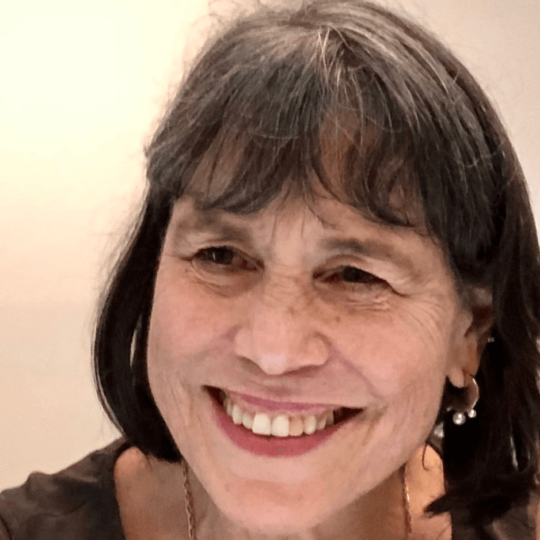
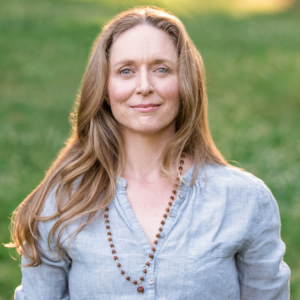
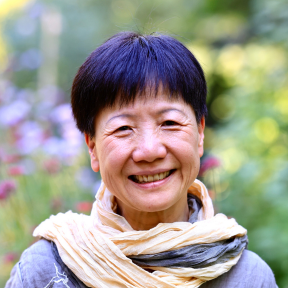
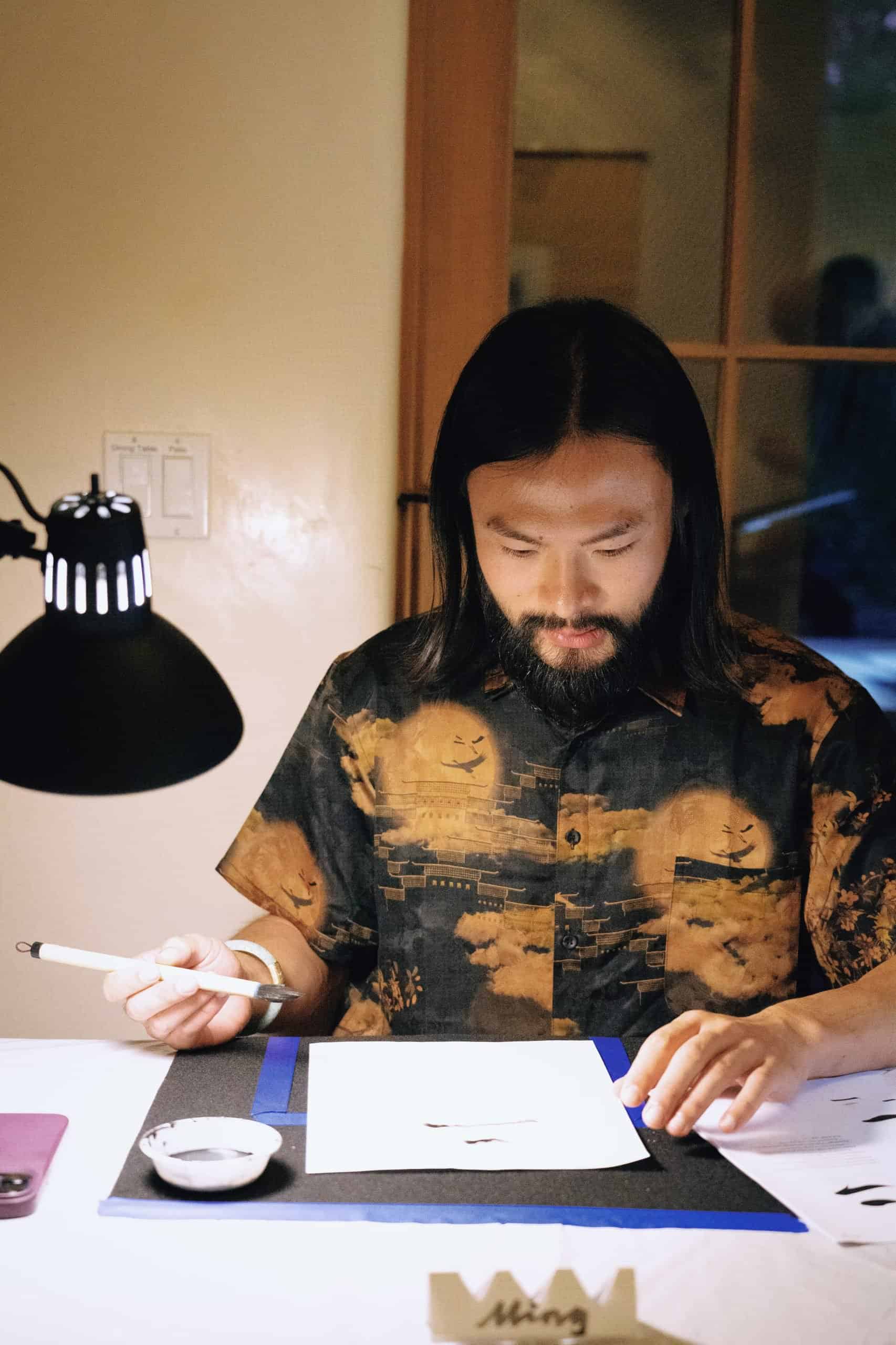
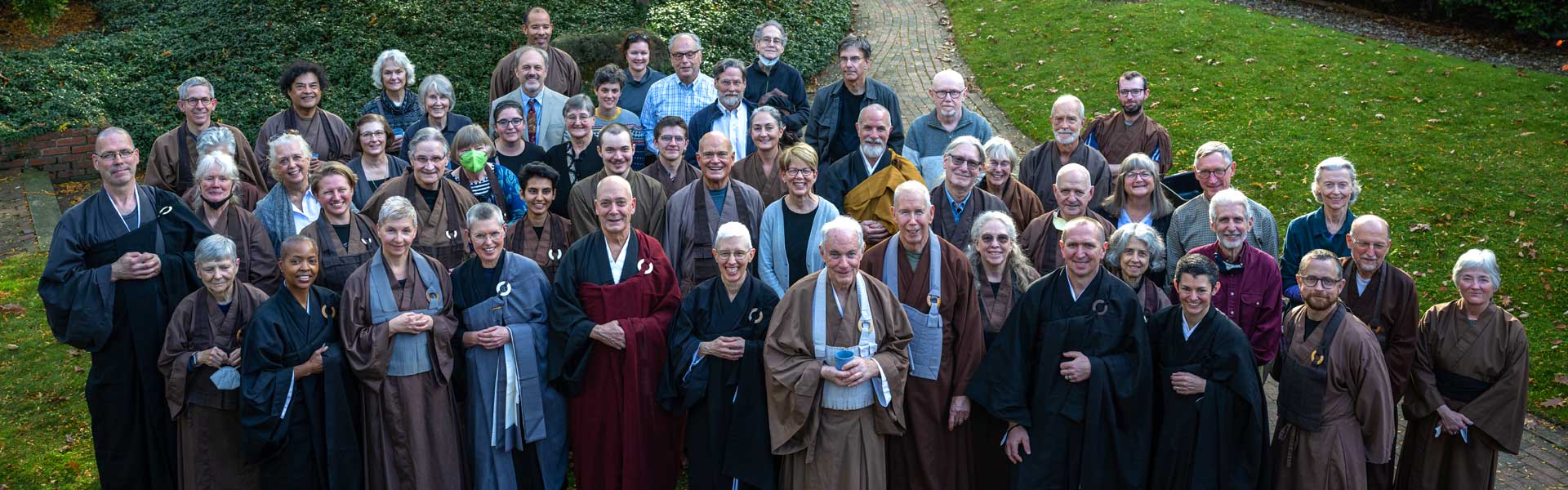
Keith Carpenter teaches in the Zen tradition. The teaching home is Rochester Zen Center. From the teacher's own profile: For nearly 60 years, the Rochester Zen Center has thrived, becoming one of the largest and most respected Buddhist centers in North America. The Center has members and affiliated groups throughout the United States and in Europe, Mexico, and New Zealand. Through its daily meditation services, residential training program, and introductory workshops, the Center has helped introduce Buddhism into the American mainstream, while simultaneously reshaping and integrating the forms of Zen into America’s own unique culture. Sensei John Pulleyn is a Co-Director of the Rochester Zen Center. Together with Sensei Dhara Kowal, he provides Zen training and spiritual guidance to the Center’s members worldwide. Read more on Sensei John Pulleyn Sensei Dhara Kowal is Dharma Sucessor to Roshi Bodhin Kjolhede. As a resident teacher and priest, she serves as Co-Director of the Rochester Zen Center, in partnership with Sensei John Pulleyn. Read more on Sensei Dhara Kowal Sensei Jissai Prince-Cherry serves as a teacher at the Rochester Zen Center, alongside Sensei Dhara Kowal and Sensei John Pulleyn. She also leads the Louisville Zen Center. Read more on Sensei Jissai Prince-Cherry Roshi Bodhin Kjolhede is Dharma Successor to Roshi Phillip Kapleau. He served as Abbot of the Rochester Zen Center from 1986 to 2021 and then Co-Director with Sensei John Pulleyn through 2022. He remains active in the Center from afar, leading many morning Zoom sittings and conducting occasional sesshins. Read more on Roshi Bodhin Kjolhede Philip Kapleau was one of the founding fathers of American Zen. He made it his life’s work to transplant Zen Buddhism into American soil, bridging the gap between theory and practice and making Zen Buddhism accessible to all. In 1966 he published The Three Pillars of Zen, the first book to explain the practice of Zen to Westerners. Read more on Roshi Philip Kapleau An in-depth look at Dharma transmission and the Rochester Zen Center lineage. Read more on Roshi Kapleau & His Teachers Kanji Argetsinger has practiced and served at the Rochester and Auckland Zen Centers since 2001. She is currently RZC's Head of Zendo and offers Private Instruction. Read more on Ven. Kanji Argetsinger Eryl Kubicka has been practicing Buddhism since 1969. In addition to offering Private Instruction and running sesshin, she is a longtime engaged Buddhist, e.g., serving in our Prison Dharma meditation program. Read more on Eryl Kubicka Keith Carpenter has trained formally at the Zen Center for more than 25 years. During that time, he has worked in nearly every department, and is currently serving as the interim Online Head of Zendo. Read more on Keith Carpenter In a Zen container, what Keith Carpenter offers is steady, mostly silent practice with short pointed teachings. The form is the teaching as much as the words are. Sitting, walking, work practice, and the relationship with a teacher all carry weight.
Lineage
Keith Carpenter teaches as a lay teacher in the Zen tradition. The institutional home, per the source listing, is Rochester Zen Center, and that's where most of the public teaching schedule and any retreat offerings will be posted. The Zen lineage frame here, where stated, is what authorizes a teacher to lead practice, and the source page usually names the dharma teacher or root teacher when relevant.
What to expect
On a class or retreat with Keith Carpenter, the basic shape is short instruction, longer sittings, and some Q&A. Retreats are part of the offering, usually a few days to a week, mostly silent. The container is shaped by Rochester Zen Center, so format details, fees, and access policies follow that organization's norms. Expect plenty of silence, less talking-at-you than you might think, and an emphasis on letting the practice do its work rather than chasing experiences. For exact dates, registration, and any sliding-scale or scholarship information, There's usually a short Q&A window and, on retreats, optional teacher interviews where students can bring specific questions about their practice.