About
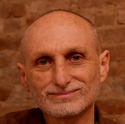
Kittisaro is a meditation teacher in the Meditation tradition.
Teaching focus
Kittisaro's teaching weaves together strands that don't usually share a stage. From his Thai Forest training he carries classical anapanasati, body-based vipassana, and the renunciate framing of sila and viriya. From his work in Korean Zen and Tibetan practice he carries Avalokitesvara devotional forms, mantra, and a heart-centered orientation that he and Thanissara call Listening to the Heart. His retreats often pair morning sittings on breath and body with evening sessions on chanting and devotional practice, and the pairing isn't ornamental. He treats heart practices, metta, compassion, devotional inquiry, as serious meditative work, capable of opening dimensions of insight that pure technique-driven practice can miss. He's spent considerable time on the Pali suttas, particularly material on the brahmaviharas, dependent origination, and the gradual training, and he can teach those texts with the kind of detail you'd expect from a long-time monastic. He's equally at home talking about Avalokitesvara, the bodhisattva of compassion, and the ways devotional practice can stabilize a heart frayed by activism, illness, or grief. The thread connecting all of it is what he often calls the listening capacity, the willingness to actually receive what's arising rather than impose a technique on it. His talks are unhurried and often personal, drawing on his own life, his teachers, and the South African context in which much of his current work sits.
Background
Kittisaro is a former Theravada monk in the Thai Forest tradition who trained under Ajahn Chah and Ajahn Sumedho in the 1970s and 1980s, ordained as a bhikkhu in Thailand and later serving as a senior monk in the English forest sangha. He disrobed in the early 1990s after roughly fifteen years in robes and went on to develop a teaching practice rooted in his original Theravada training and informed by ongoing study in the Korean Zen and Tibetan traditions. With his partner Thanissara, also a former monastic in the same lineage, he co-founded Sacred Mountain Sangha and Dharmagiri, a retreat hermitage in the Drakensberg mountains of South Africa, and the two of them have continued to teach internationally for decades since. He's the co-author with Thanissara of Listening to the Heart, a book on heart practices grounded in early Buddhist sources and contemplative experience. His Dharma Seed archive runs to nearly three hundred talks. His teaching is unusual among Western forest-trained voices for its open conversation with other traditions, especially Korean Zen and the Avalokitesvara devotional practices that emerged for him in his post-monastic period. Students often describe his presence as warm and direct, capable of holding both classical Theravada precision and the more devotional, heart-opening register of bodhisattva practice without flattening either. He continues to teach retreats in the US, the UK, and South Africa.
Lineage
Kittisaro was ordained as a bhikkhu in 1976 and trained for roughly fifteen years in the Thai Forest tradition under Ajahn Chah and Ajahn Sumedho, including time at Cittaviveka and other Western forest monasteries. He disrobed in the early 1990s and continued his practice as a layperson, training in Korean Son (Zen) under Master Songam and engaging with Tibetan teachings as well. With Thanissara, he co-founded Sacred Mountain Sangha and Dharmagiri Hermitage in South Africa. He teaches as a layperson in close partnership with Thanissara.
What to expect
Retreats with Kittisaro and Thanissara typically combine classical insight practice with devotional and heart-based work. A day on retreat might open with sitting and walking meditation, move through dharma talks drawing on the Pali suttas, and close with chanting or a guided practice oriented around Avalokitesvara or the brahmaviharas. The tone is warm and personal rather than monastic-formal. Students often have time for one-on-one meetings, and the retreats tend to attract a mix of long-time vipassana practitioners and people drawn from yoga, activist, and inter-tradition backgrounds. Expect a teaching that takes both technique and heart seriously.