About
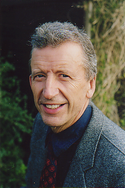
Steve Armstrong has spent decades studying how the mind actually works—and he knows how to help you see it too. With him, you're not just learning theory. You're getting a teacher who's spent nearly a century of group retreats and hundreds of talks helping students untangle the patterns that keep them stuck. His whole thing is vipassana insight: that clear-eyed look at reality that makes freedom feel possible again. He meets you where you are—whether you're skeptical, overwhelmed, or ready to go deeper—and he's got the steadiness that comes from real, sustained practice. Steve's particularly good for people who want to understand their own minds with precision and honesty.
Teaching focus
His teaching follows classical Mahasi noting practice and pairs it with substantial Abhidhamma study, the systematic Buddhist psychology that maps mental and physical phenomena in detail. He's particularly known for making the Abhidhamma accessible to Western practitioners as living teaching rather than abstract scholarship. The work draws on Theravada Buddhism in its classical form as the foundational framework, taught with care for the textures of present experience rather than as abstract doctrine. Mindfulness of breath, body, feeling tone, and mental states forms the spine of the practice, with the four foundations of mindfulness as the standard organizational frame. The brahmaviharas, lovingkindness, compassion, sympathetic joy, and equanimity, are taught as serious meditative work alongside the mindfulness curriculum. Lovingkindness gets serious time on retreat, treated as central practice rather than supplemental, and the broader brahmavihara framework offers additional ground for the slower work of equanimity and forgiveness. Daily-life integration runs through the recorded teaching as a steady concern. The same awareness that opens during a sit is the awareness that meets traffic, family, and work, and the teaching keeps coming back to that continuity rather than treating retreat as a separate world. Across the recorded teaching runs a steady commitment to the actual work of practice, the slow unfolding that doesn't always make for inspirational soundbites but that carries the path forward across years of sitting. Across the work runs a careful refusal to oversell. The teaching points students toward what practice can actually do rather than what students might wish it would do, and that honesty becomes part of the trust students develop in the teacher's voice.
Background
Steve Armstrong is a senior teacher in the Theravada tradition descended from the Burmese and Thai vipassana lineages as carried into the West. Steve Armstrong is a senior American Insight Meditation teacher who trained as a monk in the Burmese vipassana tradition for years before disrobing. He's a co-founder of Vipassana Metta Foundation and the lead translator of the Abhidhamma in English in his community. The recorded archive holds nearly 700 talks. The Dharma Seed archive at dharmaseed.org/teacher/170 currently holds around 676 recorded talks, gathered across roughly 87 retreats and ongoing teaching. Senior teachers like this one often shape not only individual students but the wider ecosystem of practice around them, through retreats, mentorship, and the steady availability of recorded teaching across decades. The teaching voice is plainly framed and unceremonial, in keeping with the broader Western lay-teacher insight tradition. The teaching reflects both the depth of a long practice lineage and the practical concerns of contemporary practitioners working ordinary jobs, raising children, and trying to integrate serious dharma into lives that don't pause for retreat. That practical orientation runs through the recorded material as a steady undercurrent. Like many teachers in the wider Insight community, this teacher's path includes time on long silent retreat, ongoing study with senior teachers, and gradual integration of teaching responsibility through co-teaching and small local programs before stepping into broader retreat work. That apprenticeship model shapes the careful pacing of the teaching.
Lineage
Armstrong trained as a Burmese vipassana monk under Sayadaw U Pandita and other senior Burmese teachers, with deep grounding in the Mahasi tradition and the Abhidhamma. He co-founded Vipassana Metta Foundation in Hawaii. The teacher works as a layperson, in keeping with the broader Western lay-teacher form of the tradition. He co-founded Vipassana Metta Foundation. The site at vipassanametta.org publishes current programs and resources.
What to expect
Retreats with Armstrong follow standard Mahasi format with daily individual interviews. Some retreats integrate Abhidhamma study alongside formal practice. Retreats typically follow a classical Theravada structure with sittings, walking meditation, dharma talks, and one-on-one meetings with the teachers, often with chanting and shorter formal periods built into the schedule. The atmosphere is warm and committed rather than performance-oriented, with serious dharma underneath an accessible surface. First-time retreatants are usually welcomed without fuss, and the format is designed to support practitioners across a range of experience levels rather than only veterans. Newer students may want to begin with shorter programs and work up to longer silent residential retreats over time.