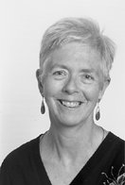
About
Aaron Chavira has practiced meditation since 1999 and has been part of Insight Meditation Center in Redwood City since 2006. His primary teachers are Gil Fronsdal and the IMC community. He has participated in longer practice periods with Sayadaw U Pandita and Sayadaw U Tejaniya, and is currently mentored by Amana Bremby Johnson at Spirit Rock. Chavira works as an academic hospitalist in Corvallis, Oregon, and explores hospital medicine and relationships as meditation practice contexts.
Teaching focus
His teaching draws on classical IMC-style insight practice with attention to medical and clinical context. As a working physician, he brings particular attention to how practice meets the demands of clinical work and how clinical work can be itself a practice medium. The work draws on the Insight Meditation lay-teacher lineage as the foundational framework, taught with care for the textures of present experience rather than as abstract doctrine. The four foundations of mindfulness, breath, body, feeling tone, and mental states, organize the formal practice, with lovingkindness woven through as supporting work. Sitting and walking are the standard formal forms, paired with daily-life mindfulness as the integration practice. Lovingkindness gets serious time on retreat, treated as central practice rather than supplemental, and the broader brahmavihara framework offers additional ground for the slower work of equanimity and forgiveness. Daily-life integration runs through the recorded teaching as a steady concern. The same awareness that opens during a sit is the awareness that meets traffic, family, and work, and the teaching keeps coming back to that continuity rather than treating retreat as a separate world. Across the recorded teaching runs a steady commitment to the actual work of practice, the slow unfolding that doesn't always make for inspirational soundbites but that carries the path forward across years of sitting. The teaching also addresses the relational and ethical dimensions of practice in concrete ways, with attention to how meditation actually shows up in conversations, conflicts, and the small choices that make up a working life. The cushion isn't the only site of dharma.
Background
Aaron Chavira is a teacher whose work is part of the wider Insight Meditation tradition descended from the Burmese and Thai vipassana lineages as carried into the West. Aaron Chavira started meditating in 1999 and has attended Insight Meditation Center since 2006. Gil Fronsdal and the IMC community are his root Buddhist teachers. He's done longer practice periods influenced by Sayadaw U Pandita and Sayadaw U Tejaniya, and is mentored by Amana Bremby Johnson at Spirit Rock. He works as an academic hospitalist in Corvallis, Oregon and is interested in hospital medicine and wise relationship as practice mediums. The teacher's recorded material is mostly hosted through affiliated centers and personal platforms rather than through Dharma Seed. Emerging teachers offer something different from senior figures: the texture of a teaching voice still finding its specific shape, which can be useful for students who want to follow a teacher's development rather than encounter an already-canonized body of work. The teaching voice is plainly framed and unceremonial, in keeping with the broader Western lay-teacher insight tradition. Students who follow a single teacher's archive over time tend to pick up not only practice instructions but a quality of attention, the way the teacher meets restlessness, doubt, or sudden opening, and that transmission across recordings is part of what makes a sustained body of recorded work valuable for practice over years rather than weeks.
Lineage
Chavira's primary teachers are Gil Fronsdal and the IMC community in Redwood City. He's done extended practice with senior Burmese teachers including Sayadaw U Pandita and Sayadaw U Tejaniya, and is mentored by Amana Bremby Johnson at Spirit Rock. The teacher works as a layperson, in keeping with the broader Western lay-teacher form of the tradition. He teaches at Insight Meditation Center (Redwood City), with primary connection to the Bay Area IMC community.
What to expect
Programs through IMC and affiliated Bay Area sanghas include classes, weekend programs, and the substantial recorded archive at audiodharma.org. Retreats follow standard Insight format: sittings, walking, dharma talks, and meetings with the teachers, with lovingkindness practice woven through and daily-life integration treated as serious work rather than an afterthought. The pacing is careful and the teaching is specific, suiting practitioners who want concrete instruction over inspirational framing. First-time retreatants are usually welcomed without fuss, and the format is designed to support practitioners across a range of experience levels rather than only veterans. Newer students may want to begin with shorter programs and work up to longer silent residential retreats over time.