About
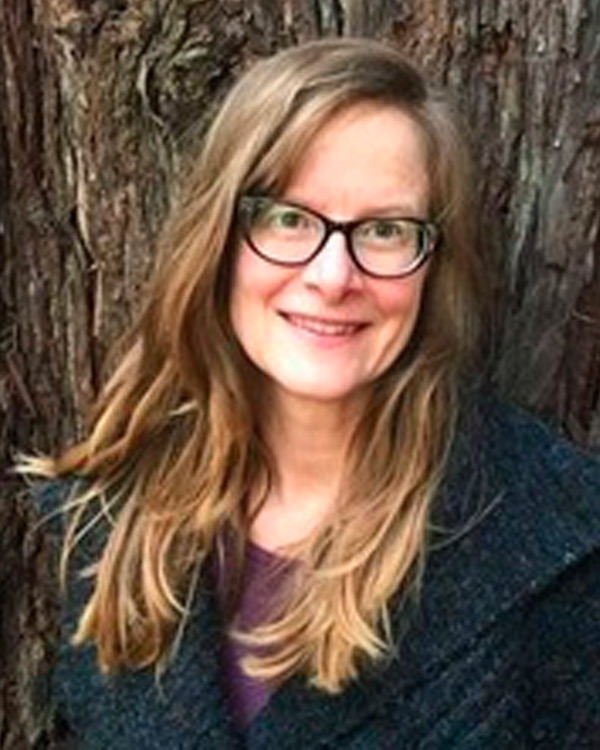
Mary brings a rare kind of permission to practice: she won't rush you toward answers. Instead, she'll sit with your questions—the real, messy ones—and let them breathe. That's where the actual opening happens. With a background in psychology and years in Christian contemplative practice, she knows how to translate meditation into everyday life. She's not interested in exotic frameworks. What she cares about is presence: how you show up at the dinner table, in traffic, with yourself. She teaches vipassana with the grounded clarity of a Western practitioner who's lived through doubt and come out the other side. If you're looking for someone who gets both the urgency of this moment and the gentleness required to actually change, she's worth sitting with.
Teaching focus
Her teaching emphasizes the embodied dimension of practice and the integration of meditation with the textures of daily life. She works carefully with questions rather than rushing toward answers, which gives her teaching a distinctive open, inquiring quality. The work draws on the Insight Meditation lay-teacher lineage as the foundational framework, taught with care for the textures of present experience rather than as abstract doctrine. The four foundations of mindfulness, breath, body, feeling tone, and mental states, organize the formal practice, with lovingkindness woven through as supporting work. Sitting and walking are the standard formal forms, paired with daily-life mindfulness as the integration practice. Lovingkindness gets serious time on retreat, treated as central practice rather than supplemental, and the broader brahmavihara framework offers additional ground for the slower work of equanimity and forgiveness. Daily-life integration runs through the recorded teaching as a steady concern. The same awareness that opens during a sit is the awareness that meets traffic, family, and work, and the teaching keeps coming back to that continuity rather than treating retreat as a separate world. Across the recorded teaching runs a steady commitment to the actual work of practice, the slow unfolding that doesn't always make for inspirational soundbites but that carries the path forward across years of sitting. A consistent thread runs through the recorded archive: the willingness to be specific about what to do in this moment rather than gesture at long arcs of advanced practice. That specificity is part of what makes the teaching usable in ordinary daily-life practice.
Background
Mary Grace Orr is an established teacher in the Insight Meditation tradition descended from the Burmese and Thai vipassana lineages as carried into the West. Mary Grace Orr is a senior Insight Meditation teacher with decades of practice and teaching. Her recorded archive holds over 200 talks. She came to dharma through Christian contemplative practice and brings a psychological background to her teaching, with particular attention to embodiment and to how practice integrates with lay life. The Dharma Seed archive at dharmaseed.org/teacher/122 currently holds around 205 recorded talks, gathered across roughly 25 retreats and ongoing teaching. Established teachers occupy a useful middle position in the directory, with enough recorded teaching to give students a sustained body of work to study, and enough ongoing practice to keep developing. Listeners describe a steady, unhurried voice and a willingness to be specific about practice rather than abstract. Like many teachers in the wider Insight community, this teacher's path includes time on long silent retreat, ongoing study with senior teachers, and gradual integration of teaching responsibility through co-teaching and small local programs before stepping into broader retreat work. That apprenticeship model shapes the careful pacing of the teaching. Students who follow a single teacher's archive over time tend to pick up not only practice instructions but a quality of attention, the way the teacher meets restlessness, doubt, or sudden opening, and that transmission across recordings is part of what makes a sustained body of recorded work valuable for practice over years rather than weeks.
Lineage
Orr trained as an Insight Meditation teacher through the IMS-Spirit Rock lay-teacher community. Her path includes years in Christian contemplative practice and academic training in psychology. The teacher works as a layperson, in keeping with the broader Western lay-teacher form of the tradition. She's a senior teacher in the wider US Insight Meditation community.
What to expect
Retreats with Orr follow standard Insight format with care for embodied practice and time for genuine inquiry. Talks tend to be shorter and more conversational than discursive. Retreats follow standard Insight format: sittings, walking, dharma talks, and meetings with the teachers, with lovingkindness practice woven through and daily-life integration treated as serious work rather than an afterthought. The setting is unceremonial and present-focused, with care taken that practice meets the actual lives students walk in carrying. For practitioners working at distance, recorded talks and online programs often offer a good initial point of contact, with in-person retreat following once the teaching voice and approach have become familiar.