About
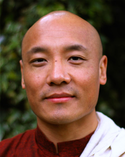
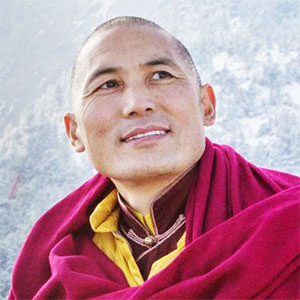
John Makransky teaches in the Dzogchen tradition of Tibetan Buddhism. He is affiliated with the Barre Center for Buddhist Studies. His teaching focuses on Dzogchen-based meditation practices, with an emphasis on compassion and what he terms innate wholeness. He offers both online and in-person classes and retreats.
Teaching focus
His teaching draws on Dzogchen, the Great Perfection teachings of the Nyingma tradition, with particular emphasis on innate wholeness, compassion, and the work of becoming a steady, unconditionally healing presence for others. The work draws on the Tibetan Buddhist tradition as the foundational framework, taught with care for the textures of present experience rather than as abstract doctrine. Foundational shamatha and vipashyana support the more characteristic Tibetan practices: refuge and bodhicitta, deity visualization, mantra recitation, tonglen as the core compassion practice, and pointing-out instructions in the higher teachings depending on student readiness. Lovingkindness gets serious time on retreat, treated as central practice rather than supplemental, and the broader brahmavihara framework offers additional ground for the slower work of equanimity and forgiveness. Daily-life integration runs through the recorded teaching as a steady concern. The same awareness that opens during a sit is the awareness that meets traffic, family, and work, and the teaching keeps coming back to that continuity rather than treating retreat as a separate world. Across the recorded teaching runs a steady commitment to the actual work of practice, the slow unfolding that doesn't always make for inspirational soundbites but that carries the path forward across years of sitting. There's also careful work with the harder stretches of practice, the dry months, the periods when nothing seems to be moving, the recurring difficulties that don't resolve quickly. The teaching treats those stretches as honest dharma material rather than as obstacles to be pushed past.
Background
John Makransky is a senior teacher in the Tibetan Vajrayana tradition with roots in the Tibetan teaching lineages. John Makransky teaches in the Dzogchen tradition of Tibetan Buddhism. He's affiliated with Barre Center for Buddhist Studies. His teaching focuses on Dzogchen-based meditation practices with emphasis on compassion and what he terms innate wholeness. He offers both online and in-person classes and retreats. The teacher's recorded material is mostly hosted through affiliated centers and personal platforms rather than through Dharma Seed. Senior teachers like this one often shape not only individual students but the wider ecosystem of practice around them, through retreats, mentorship, and the steady availability of recorded teaching across decades. Listeners describe a steady, unhurried voice and a willingness to be specific about practice rather than abstract. Practitioners encountering this teacher's work for the first time often start with a recorded talk on a topic that addresses something current in their practice, then move into longer retreats once the voice and the framing become familiar. The recorded archive supports that gradual on-ramp without requiring a full commitment up front. The teaching reflects both the depth of a long practice lineage and the practical concerns of contemporary practitioners working ordinary jobs, raising children, and trying to integrate serious dharma into lives that don't pause for retreat. That practical orientation runs through the recorded material as a steady undercurrent.
Lineage
Makransky is a senior teacher in the Dzogchen tradition of Tibetan Buddhism. He's a senior academic at Boston College alongside his contemplative teaching, and he's affiliated with BCBS. The teacher works as a layperson, in keeping with the broader Western lay-teacher form of the tradition. He's affiliated with Barre Center for Buddhist Studies and is a senior faculty member at Boston College.
What to expect
Programs combine Dzogchen-based meditations with sustained work on compassion and care. Programs run both online and in-person, with attention to making the work accessible to lay practitioners. Programs include traditional Tibetan elements alongside formal sitting: refuge and bodhicitta practice, mantra recitation, visualization, and tonglen, with shrine forms and offerings that distinguish Vajrayana retreats from their Theravada counterparts. The pacing is careful and the teaching is specific, suiting practitioners who want concrete instruction over inspirational framing. Students new to the teacher's work often find it useful to start with a shorter program or a recorded talk before committing to a longer residential retreat, both to get a feel for the teaching voice and to clarify whether the format suits their practice at this stage.