About
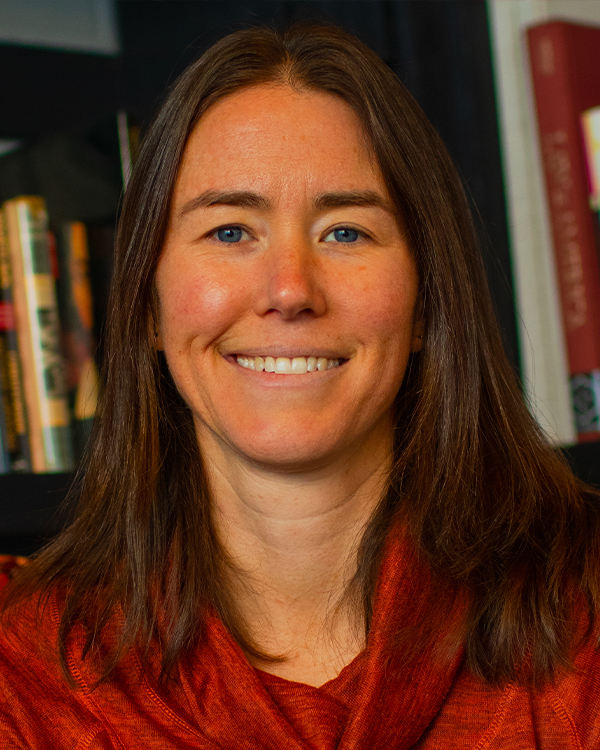
Lish Dorosin began Vipassana practice in the late 1990s. She transitioned from a career as a public high school history teacher in 2013 to focus on dharma practice and teaching. From 2018 to 2020 she served as a resident volunteer at the Insight Retreat Center. She is currently enrolled in the Dharma Leader Training program at Insight Meditation Center under Gil Fronsdal and Ines Freedman. She is based in Oakland, California.
Teaching focus
Her teaching emphasizes silent retreat practice as central, drawing on her years of resident volunteer work at Insight Retreat Center. The history teacher background informs her attention to context and to how practice meets a working life. The work draws on the Insight Meditation lay-teacher lineage as the foundational framework, taught with care for the textures of present experience rather than as abstract doctrine. The four foundations of mindfulness, breath, body, feeling tone, and mental states, organize the formal practice, with lovingkindness woven through as supporting work. Sitting and walking are the standard formal forms, paired with daily-life mindfulness as the integration practice. Lovingkindness gets serious time on retreat, treated as central practice rather than supplemental, and the broader brahmavihara framework offers additional ground for the slower work of equanimity and forgiveness. Daily-life integration runs through the recorded teaching as a steady concern. The same awareness that opens during a sit is the awareness that meets traffic, family, and work, and the teaching keeps coming back to that continuity rather than treating retreat as a separate world. Across the recorded teaching runs a steady commitment to the actual work of practice, the slow unfolding that doesn't always make for inspirational soundbites but that carries the path forward across years of sitting. A consistent thread runs through the recorded archive: the willingness to be specific about what to do in this moment rather than gesture at long arcs of advanced practice. That specificity is part of what makes the teaching usable in ordinary daily-life practice.
Background
Lish Dorosin is a teacher whose work is part of the wider Insight Meditation tradition descended from the Burmese and Thai vipassana lineages as carried into the West. Lish Dorosin came to Vipassana practice in the late 1990s. In 2013 she shifted from a long career as a public high school history teacher to a life dedicated to the dharma, including silent retreats, mindfulness teaching, relational practice, study, and service. She served as a resident volunteer at Insight Retreat Center from 2018 to 2020 and has remained an active volunteer. She's currently in IMC's Dharma Leader Training program with Gil Fronsdal and Ines Freedman. The teacher's recorded material is mostly hosted through affiliated centers and personal platforms rather than through Dharma Seed. Emerging teachers offer something different from senior figures: the texture of a teaching voice still finding its specific shape, which can be useful for students who want to follow a teacher's development rather than encounter an already-canonized body of work. Listeners describe a steady, unhurried voice and a willingness to be specific about practice rather than abstract. The lay-teacher form of practice this teacher works within asks something specific of students: they have to take responsibility for their own practice in ways monastic students don't always have to, since the structures of monastic life don't carry them. That responsibility is part of what the teaching points at. For practitioners considering similar transitions from professional careers into more dharma-centered lives, the path she's walked offers one model among many in the wider Insight community. The IMC Dharma Leader Training is one of the more developed lay-teacher pathways in contemporary US Insight Meditation.
Lineage
Dorosin began Vipassana practice in the late 1990s. She's currently in the IMC Dharma Leader Training program with Gil Fronsdal and Ines Freedman. The teacher works as a layperson, in keeping with the broader Western lay-teacher form of the tradition. She's in the IMC Dharma Leader Training program with current IMC and IRC affiliations.
What to expect
Programs through IMC and Insight Retreat Center. Silent retreat is a central practice form for her teaching. Retreats follow standard Insight format: sittings, walking, dharma talks, and meetings with the teachers, with lovingkindness practice woven through and daily-life integration treated as serious work rather than an afterthought. The atmosphere is warm and committed rather than performance-oriented, with serious dharma underneath an accessible surface. The center or platform where the teaching happens publishes current schedules and registration information, and email contact is generally the most direct way to ask specific questions about a particular retreat or program.