About
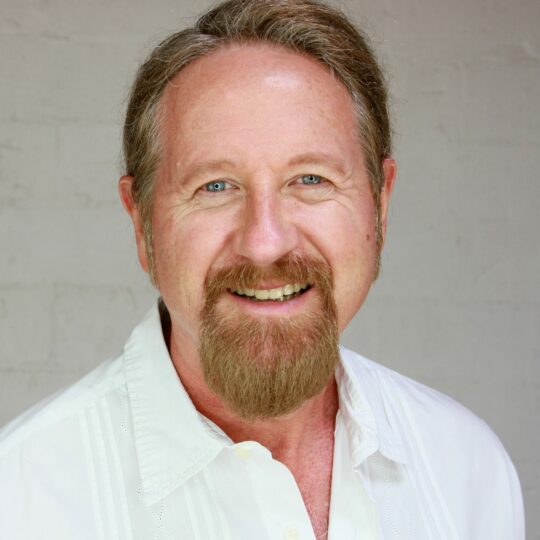
Rob Creekmore has practiced meditation for over 40 years, focusing on Vipassana and mindful dialogue for the past 30 years. He completed the Spirit Rock Community Dharma Leader program in 2003 and has taught meditation in group and one-on-one settings for over 20 years. He is a certified Enneagram teacher with twelve years of experience leading Enneagram courses and groups. Creekmore is co-founder of the Meditation Community of Herndon/Reston and co-founder of the Insight Meditation Community of Washington. He has introduced meditation and spiritual practices in corporate, government, school, and church settings. He is currently writing a book integrating Buddhist practices with Enneagram work.
Teaching focus
Rob Creekmore's teaching focus sits inside the Burmese vipassana revival as transmitted to the West, with insight meditation (vipassana) as the working ground. Vipassana practice as taught here works with direct observation of body, feeling-tone, mind-state, and dhammas, the four foundations of mindfulness as they appear in the Satipatthana Sutta. The instruction keeps coming back to what's actually arising rather than what should be. Workplace-oriented teaching keeps the depth without losing the audience, which is harder to do well than it usually looks. Across the body of work, the consistent thread in Rob Creekmore's teaching is the refusal to let practice become abstract. The instruction asks for direct contact with what's actually arising, and the framing supports practitioners in giving it that. Recurring questions in the teaching include how to keep practice honest across years, how to hold difficulty without bypassing it, and how the dharma actually shows up in ordinary life rather than only on the cushion. Recurring questions in the teaching include how to keep practice honest across years, how to hold difficulty without bypassing it, and how the dharma actually shows up in ordinary life rather than only on the cushion. Recurring questions in the teaching include how to keep practice honest across years, how to hold difficulty without bypassing it, and how the dharma actually shows up in ordinary life rather than only on the cushion.
Background
Rob Creekmore has practiced meditation for over 40 years, focusing on Vipassana and mindful dialogue for the past 30 years. He completed the Spirit Rock Community Dharma Leader program in 2003 and has taught meditation in group and one-on-one settings for over 20 years. He is a certified Enneagram teacher with twelve years of experience leading Enneagram courses and groups. Creekmore is co-founder of the Meditation Community of Herndon/Reston and co-founder of the Insight Meditation Community of Washington. He has introduced meditation and spiritual practices in corporate, government, school, and church settings. He is currently writing a book integrating Buddhist practices with Enneagram work. Before teaching meditation, Rob began as a telecommunications and IT engineer and project manager, then evolved into an organization development consultant and professional facilitator. He studied to be an ordained United Methodist minister in the early 90's and led innovative church-based rites of passage programs with youth. He began teaching meditation after completing the Spirit Rock Community Dharma Leader program in July 2003. Rob is also certified as an Enneagram teacher and has led Enneagram courses and groups for over twelve years. He is currently writing a book, The Mindful Enneagram, based on the course he began teaching in 2021 that integrates Buddhist practices with working with one's Enneagram type. For more information on the Mindful Enneagram go to: http://www.mindful-enneagram.com/ Rob has extensive experience in introducing meditation, mindful inquiry and dialogue, the Enneagram, and other spiritual practices into many diverse settings, such as businesses, government, schools, and churches. Rob Creekmore's teaching is anchored at Insight Meditation Community of Washington. The teaching draws from the Burmese vipassana revival as transmitted to the West, with insight meditation (vipassana) as the working ground. Areas of particular focus include corporate. In Rob Creekmore's talks the emphasis lands on direct observation. What the breath actually does, what mood actually feels like in the body, what arises and passes when nothing is being added. The practice is asked to deliver its own evidence. Practitioners drawn to Rob Creekmore's teaching tend to be people who've already noticed that practice is a long arc, not a quick fix, and who want a teacher who treats it that way. Practitioners drawn to Rob Creekmore's teaching tend to be people who've already noticed that practice is a long arc, not a quick fix, and who want a teacher who treats it that way. Practitioners drawn to Rob Creekmore's teaching tend to be people who've already noticed that practice is a long arc, not a quick fix, and who want a teacher who treats it that way.
Lineage
Rob Creekmore teaches within the Burmese vipassana revival as transmitted to the West. He has been teaching meditation, both with groups and one-on-one, for over 20 years. Before teaching meditation, Rob began as a telecommunications and IT engineer and project manager, then evolved into an organization development consultant and professional facilitator. He studied to be an ordained United Methodist minister in the early 90's and led innovative church-based rites of passage programs with youth. He began teaching meditation after completing the Spirit Rock Community Dharma Leader program in July 2003. Current affiliation runs through Insight Meditation Community of Washington. Rob Creekmore teaches as a fully ordained monastic.
What to expect
In Rob Creekmore's online programs, expect guided sittings, structured teaching segments, and group discussion that takes the medium seriously rather than treating it as a fallback. Sittings are conventional, mindfulness of breath and body, with metta and inquiry into difficult mind-states woven through. There's space for questions, and the answers don't get rushed. The atmosphere is grounded rather than performative, and practitioners tend to leave with practical ground to keep working from on their own. The atmosphere is grounded rather than performative, and practitioners tend to leave with practical ground to keep working from on their own. The atmosphere is grounded rather than performative, and practitioners tend to leave with practical ground to keep working from on their own.