About
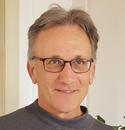
With Rodney, you'll find permission to slow down. His teaching carries a quiet urgency—not the pushy kind, but the kind that comes from sitting with people at life's edges. He's spent years in Thai forests and in hospice rooms, and he knows something most of us are just learning: that death and change aren't separate from life. They're what make it matter. Working with him, you'll learn to relax into what's actually happening instead of bracing against it. You'll discover that the calm you're seeking isn't something you have to earn or chase. It's already here, waiting in the present moment. Rodney's particularly good for anyone who feels the weight of our culture's speed and wants to remember what it feels like to simply be alive.
Teaching focus
His teaching draws on Thai Forest tradition, hospice work, and a deep concern with self-deception and awakening. The hospice background gives his work a particular intimacy with mortality and impermanence as live ground for practice. The work draws on Theravada Buddhism in its classical form as the foundational framework, taught with care for the textures of present experience rather than as abstract doctrine. Mindfulness of breath, body, feeling tone, and mental states forms the spine of the practice, with the four foundations of mindfulness as the standard organizational frame. The brahmaviharas, lovingkindness, compassion, sympathetic joy, and equanimity, are taught as serious meditative work alongside the mindfulness curriculum. Lovingkindness gets serious time on retreat, treated as central practice rather than supplemental, and the broader brahmavihara framework offers additional ground for the slower work of equanimity and forgiveness. Daily-life integration runs through the recorded teaching as a steady concern. The same awareness that opens during a sit is the awareness that meets traffic, family, and work, and the teaching keeps coming back to that continuity rather than treating retreat as a separate world. Across the recorded teaching runs a steady commitment to the actual work of practice, the slow unfolding that doesn't always make for inspirational soundbites but that carries the path forward across years of sitting. The teaching also addresses the relational and ethical dimensions of practice in concrete ways, with attention to how meditation actually shows up in conversations, conflicts, and the small choices that make up a working life. The cushion isn't the only site of dharma.
Background
Rodney Smith is a senior teacher in the Theravada tradition descended from the Burmese and Thai vipassana lineages as carried into the West. Rodney Smith is a senior American Insight Meditation teacher and the founding teacher of Seattle Insight Meditation Society. He spent several years in Thai Forest practice in Thailand and has worked extensively with hospice and end-of-life care. He's the author of Lessons from the Dying, Stepping Out of Self-Deception, and Awakening: A Paradigm Shift of the Heart. The recorded archive holds nearly 400 talks. The Dharma Seed archive at dharmaseed.org/teacher/148 currently holds around 381 recorded talks, gathered across roughly 37 retreats and ongoing teaching. Senior teachers like this one often shape not only individual students but the wider ecosystem of practice around them, through retreats, mentorship, and the steady availability of recorded teaching across decades. The teaching voice is plainly framed and unceremonial, in keeping with the broader Western lay-teacher insight tradition. The lay-teacher form of practice this teacher works within asks something specific of students: they have to take responsibility for their own practice in ways monastic students don't always have to, since the structures of monastic life don't carry them. That responsibility is part of what the teaching points at. The wider Western Buddhist landscape that grew up across the second half of the twentieth century has produced a range of teaching voices working at the meeting point between classical Asian sources and contemporary lay practice, and this teacher is one of those voices. Across the recorded body of work runs a consistent attention to what's actually workable inside ordinary obligations rather than only in retreat.
Lineage
Smith trained in Thai Forest Theravada practice in Thailand and is a senior teacher in the wider IMS-Spirit Rock Insight community. He founded Seattle Insight Meditation Society and has been its guiding teacher for decades. The teacher works as a layperson, in keeping with the broader Western lay-teacher form of the tradition. He founded Seattle Insight Meditation Society and continues as its guiding teacher.
What to expect
Retreats and ongoing programs at Seattle Insight follow standard Insight format with significant attention to hospice-informed material on mortality, grief, and the deep work with self-deception that runs through his books. Retreats typically follow a classical Theravada structure with sittings, walking meditation, dharma talks, and one-on-one meetings with the teachers, often with chanting and shorter formal periods built into the schedule. The tone is unhurried and grounded, with attention given to the practical questions students bring rather than to large theoretical frameworks. Students new to the teacher's work often find it useful to start with a shorter program or a recorded talk before committing to a longer residential retreat, both to get a feel for the teaching voice and to clarify whether the format suits their practice at this stage.