About
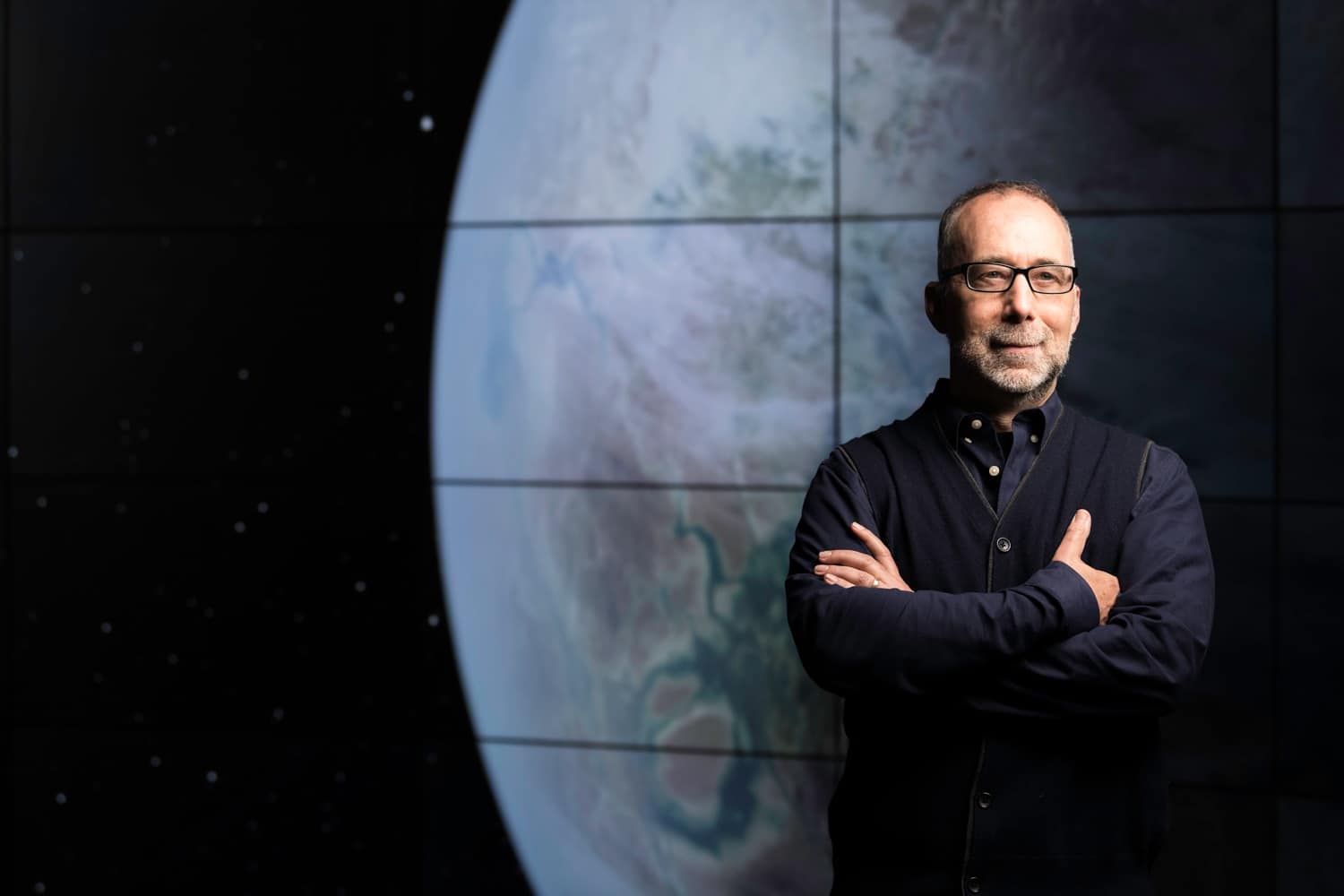
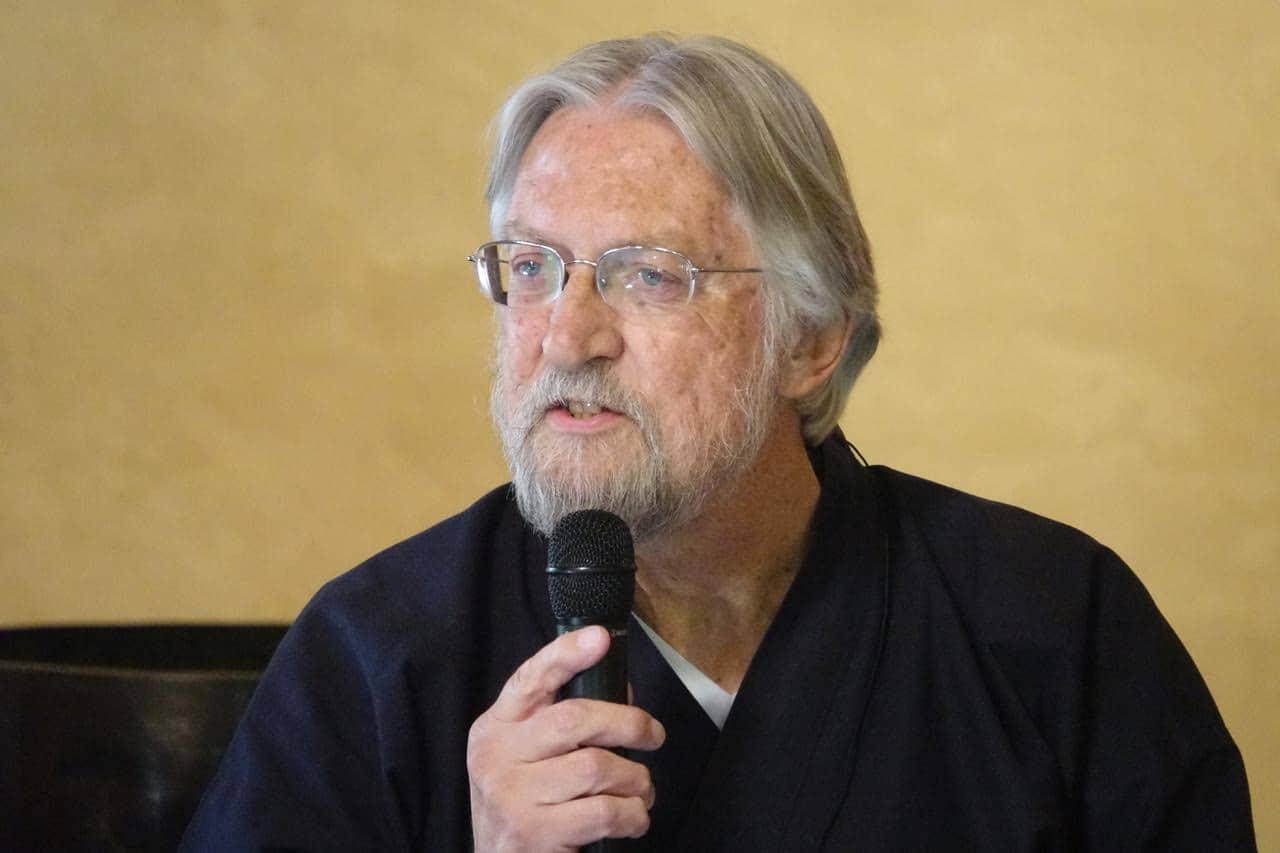
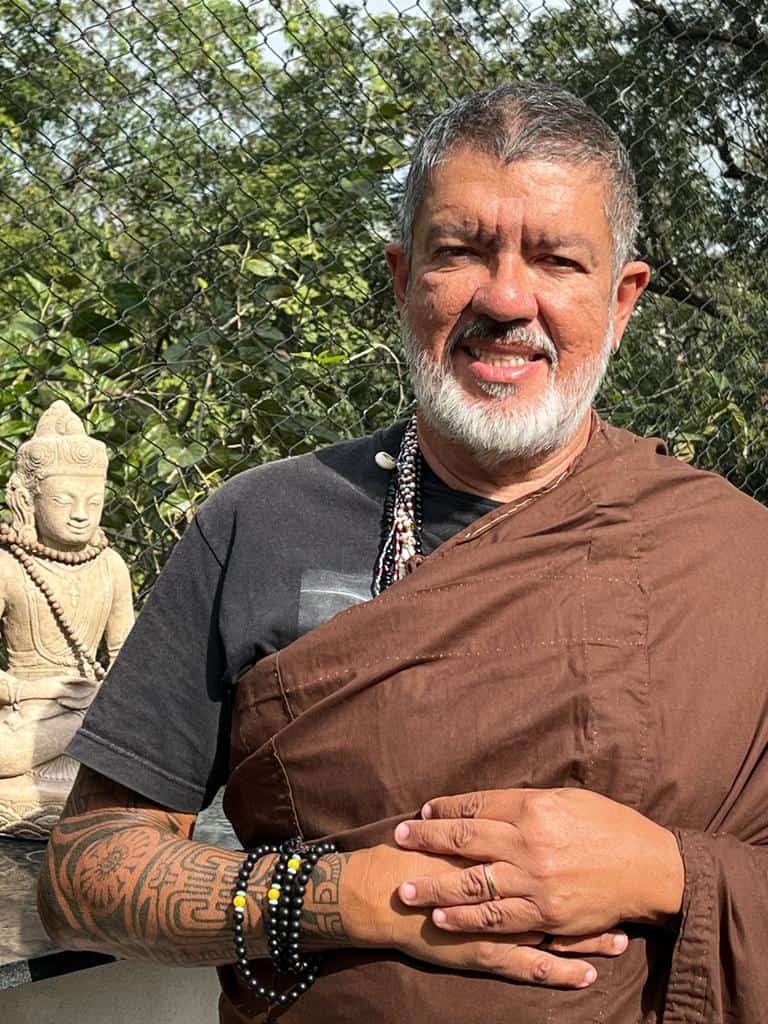
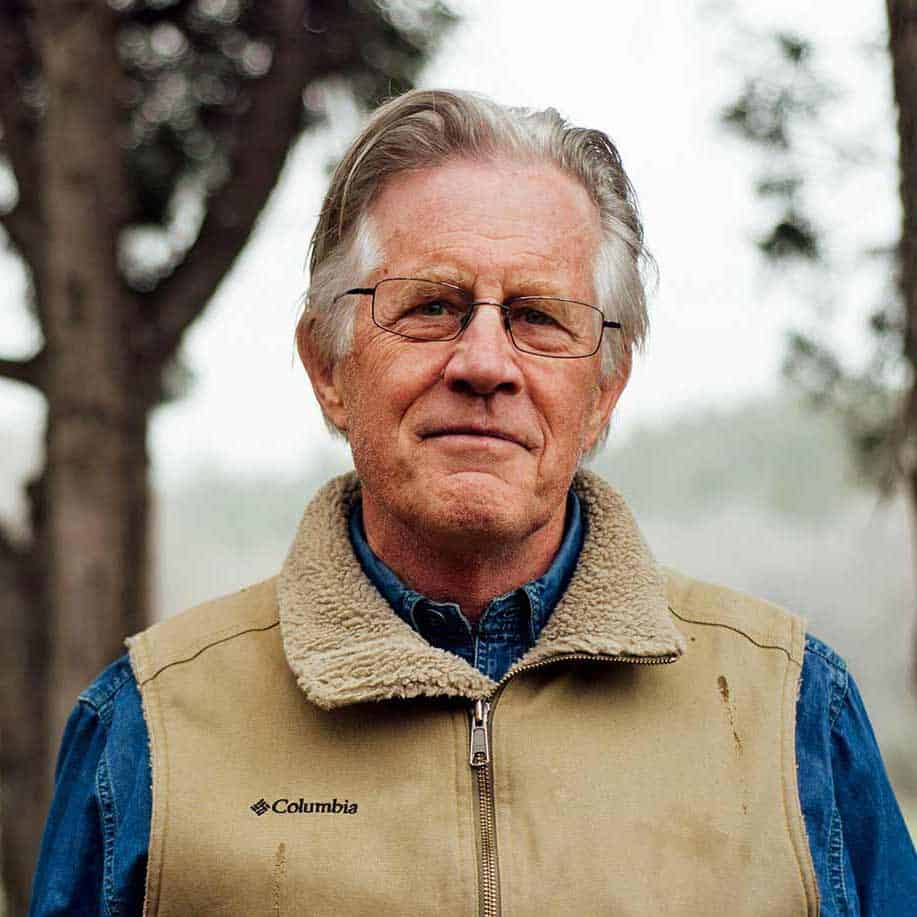
William deBuys is a conservationist and writer affiliated with Upaya Zen Center. He has authored ten books, including The Last Unicorn (2015), A Great Aridness (2011), and River of Traps (1991 Pulitzer Prize finalist). He received a Guggenheim Fellowship (2008–2009) and served as founding Chair of the Valles Caldera Trust (2001–2004), overseeing an 89,000-acre national preserve in New Mexico. He has lived on a farm in El Valle, New Mexico, since 1976.
Teaching focus
DeBuys's teaching at Upaya sits inside the center's Soto Zen container. The basic form is zazen, just sitting, with the posture and breath held lightly and the mind allowed to settle without force. Around that core, Upaya's programs build out a wider arc that includes the Bodhisattva precepts, oryoki meal practice, walking meditation (kinhin), dharma talks, and the GRACE framework Roshi Joan developed for clinicians working at the bedside. DeBuys teaches inside that framework, which means the work isn't just on the cushion. Students are asked to bring practice into the spaces where it actually gets tested: at the bedside, in conversation, in moments of grief or political reactivity, in the long, slow work of climate and justice. Upaya's approach is recognizable for its refusal to keep zazen and the world in separate boxes. The cushion and the clinic, the cushion and the kitchen, the cushion and the protest line are all treated as the same field of practice, not different ones. DeBuys's contribution stays in that key. Teaching sessions emphasize uprightness, attention, and the Bodhisattva vow as something lived in specific situations rather than recited as an idea. There's room for silence. There's also room for hard conversations about what practice asks of a person in a world under pressure.
Background
William DeBuys appears in Upaya Zen Center's teacher and faculty roster as part of the wider contemplative community Roshi Joan Halifax has gathered in Santa Fe, New Mexico, over the past four decades. The biographical material on file is drawn directly from Upaya's own teacher page and reflects what DeBuys has chosen to share there. Conservationist and writer William deBuys is the author of ten books. They include The Last Unicorn: A Search for One of Earth’s Rarest Creatures (listed by the Christian Science Monitor as one of the ten best non-fiction books of 2015); A Great Aridness: Climate Change and the Future of the American West (winner of the Weber-Clements Prize for best book on the Southwest in 2011); River of Traps (a 1991 Pulitzer Prize finalist); and most recently, The Trail to Kanjiroba: Rediscovering Earth in an Age of Loss. He has been a Kluge Distinguished Visiting Scholar at the Library of Congress (2018), a Guggenheim Fellow (2008-2009), and a Lyndhurst Fellow (1986-1988). He was the founding Chair of the Valles Caldera Trust, responsible for administering the 89,000-acre Valles Caldera National Preserve in northern New Mexico (2001-2004). He lives on the farm he has tended since 1976 in the remote village of El Valle in New Mexico’s Sangre de Cristo mountains. That body of work places DeBuys inside a center known for blending Soto Zen practice with contemplative care for the dying, climate work, neuroscience dialogues, and a long-running program for clinicians and chaplains called GRACE. Upaya's roster mixes resident priests with visiting scholars, doctors, scientists, poets, and indigenous knowledge holders, and the programs reflect that blend. DeBuys's appearances at Upaya situate this work inside that wider conversation between zazen and the world it sits inside. For practitioners who arrive at Upaya through a sesshin or a Being with Dying training, the common thread is a posture of upright, alert presence under whatever conditions show up. The forms are recognizably Soto Zen: zazen, kinhin, oryoki, the Bodhisattva precepts, dharma talks, and dokusan with senior teachers. The framing is wider than any single discipline, which is part of what has made Upaya a meeting ground for working clinicians, scientists, artists, and long-time Buddhist practitioners. DeBuys contributes to that container in the role Upaya's website assigns. People interested in the specific arc of DeBuys's career outside Upaya can follow the linked website and external publications listed on the Upaya page itself, which is where any deeper biographical detail belongs.
Lineage
DeBuys's teaching home for the work documented here is Upaya Zen Center in Santa Fe, founded by Roshi Joan Halifax in the 1980s and rooted in the Soto Zen lineage. Upaya's broader faculty includes resident priests, visiting senior teachers, scientists, clinicians, poets, and indigenous knowledge holders. DeBuys contributes as part of Upaya's wider faculty rather than as a Zen priest. Information about specific dharma transmission lines, ordination, or external lineage roots belongs on DeBuys's own site rather than fabricated here.
What to expect
In a program with DeBuys at Upaya, expect zazen and Soto Zen forms paired with teaching in DeBuys's own area of focus. Days follow Upaya's rhythm of sittings, walking meditation, meals, talks, and time for questions. Silence is taken seriously, but so are the conversations that come out of it. The framing is wide enough for people from outside Buddhist practice to take part fully. Long-time Zen students will recognize the forms; newcomers will be supported through them. Expect to leave with a clearer sense of how practice meets the specific subject DeBuys is teaching.