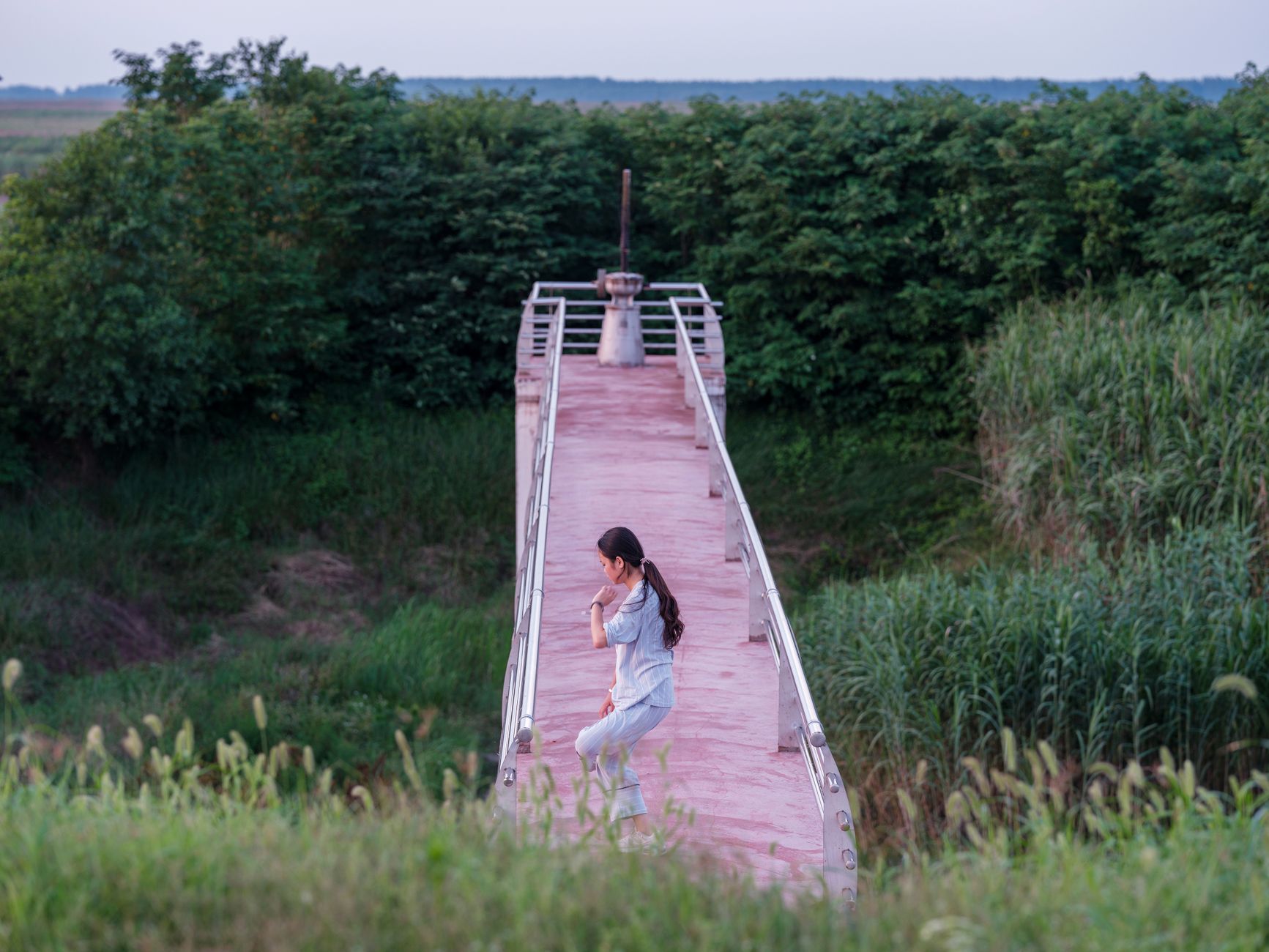
Key Takeaways
- Movement meditation combines intentional physical motion with mindfulness awareness, making it one of the most accessible entry points into a consistent practice — especially for people who struggle with seated stillness.
- Research from Harvard Medical School, Johns Hopkins University, and the NIH links movement-based practices to measurable reductions in cortisol levels, anxiety symptoms, and chronic pain markers.
- The five core modalities — mindful walking, yoga, tai chi, qigong, and conscious dance — each offer distinct physiological and psychological benefits with low barriers to entry.
- Movement meditation is particularly valuable for those managing anxiety, trauma, ADHD, or chronic stress, and for anyone seeking a more embodied approach to wellness.
- Getting started requires no equipment, no prior experience, and as little as ten minutes a day — though structured programs can accelerate progress significantly.
If the idea of sitting cross-legged in complete silence for twenty minutes fills you with dread rather than calm, you are not failing at meditation. You are simply using the wrong tool.
Millions of people abandon meditation within the first few weeks because the stillness-first approach conflicts with how their nervous system actually works. Restlessness, racing thoughts, and physical discomfort are not character flaws — they are signals that your mind-body connection might respond better to a more dynamic entry point. That entry point is movement meditation, a broad family of contemplative practices that use intentional, mindful physical motion as the vehicle for presence, self-awareness, and inner calm.
Far from being a modern wellness trend, movement-based meditation has roots in Daoist qigong traditions dating back over 4,000 years, in the walking kinhin practice of Zen Buddhism, and in the somatic dimensions of Vedic yoga. Today, it is also one of the fastest-growing areas of clinical mindfulness research, with peer-reviewed trials published in JAMA Internal Medicine, Psychosomatic Medicine, and Frontiers in Human Neuroscience documenting its benefits across populations ranging from college students to cancer survivors.
This comprehensive guide covers everything you need to know: what movement meditation is, how the science supports it, the major techniques and how to practice each one, how it compares to seated approaches, and the most common mistakes beginners make. Whether you are brand new to meditation or looking to deepen an existing practice, you will leave with a clear, practical roadmap.
What Is Movement Meditation?
Movement meditation is any practice in which deliberate, conscious physical movement serves as the primary object of meditative attention. The practitioner anchors awareness in the sensory experience of the body in motion — the weight of a footfall, the arc of an arm, the rhythm of the breath synchronizing with each stride — rather than in a fixed mental image or mantra.
This distinction matters. Going for a run while listening to a podcast is exercise. Going for a run while attending closely to each breath, each muscle contraction, and the quality of contact between foot and ground is movement meditation. The difference is not the activity itself but the quality of attention brought to it.
What makes movement meditation particularly powerful is its use of the body as a real-time feedback system. Somatic awareness — noticing physical sensations as they arise without judgment — is a foundational skill in virtually all contemplative traditions. Movement simply makes that awareness easier to access for many people, because the sensory information is richer, more immediate, and harder to ignore than the subtle internal sensations targeted in breath-focused seated practice.
Neurologically, this makes sense. The motor cortex, cerebellum, and sensorimotor integration networks are continuously active during movement, generating a steady stream of proprioceptive data. Directing mindful attention to that stream engages the same prefrontal regulatory circuits activated in seated meditation, but through a pathway that many people — particularly those with anxiety, trauma histories, or ADHD — find more approachable and sustainable.
The Science Behind Movement Meditation
The evidence base for movement-based contemplative practices has grown substantially over the past two decades, and the findings are difficult to dismiss.
A landmark meta-analysis published in JAMA Internal Medicine (Goyal et al., 2014) examined 47 randomized controlled trials involving mindfulness meditation programs — many of which incorporated movement elements — and found moderate evidence for improvements in anxiety, depression, and pain. The effect sizes were comparable to those observed with antidepressant medications in some populations, without the associated side effects.
Tai chi has received particularly rigorous attention. A systematic review published in the British Journal of Sports Medicine (Wayne et al., 2014) found that regular tai chi practice was associated with significant reductions in blood pressure, improvements in balance and fall prevention, and meaningful reductions in symptoms of depression and anxiety across older adult populations. These benefits were attributed to a combination of gentle aerobic activity, breath regulation, and sustained mindful attention — the same trifecta that defines movement meditation more broadly.
Research on yoga tells a similar story. A 2018 study published in Psychosomatic Medicine found that participants in a twelve-week yoga intervention showed significantly lower levels of salivary cortisol — the primary biochemical marker of physiological stress — compared to controls. Functional MRI data from related studies suggest that regular yoga practice is associated with increased gray matter density in the insula and prefrontal cortex, regions involved in interoceptive awareness and emotional regulation.
For those interested in qigong specifically, a review in the American Journal of Health Promotion documented improvements in immune function, inflammatory markers, and self-reported quality of life among cancer patients who practiced qigong during chemotherapy. These are not trivial outcomes. They represent measurable physiological shifts produced by a practice that requires no equipment, no special facility, and no pharmacological intervention.
It is worth noting that the research field still has limitations. Many studies use small samples, lack active control groups, or rely heavily on self-report measures. Honest evaluation requires acknowledging this. But the convergent direction of evidence across multiple disciplines and populations is compelling enough to take seriously.
The Five Core Modalities
Movement meditation is not a single practice but a family of related approaches. Here are the five most well-documented modalities, along with what makes each distinctive.
Mindful Walking. The simplest and most universally accessible form. In Zen tradition this is called kinhin — a formal walking practice performed between seated periods. In secular mindfulness programs, it typically involves walking at a slow, deliberate pace while directing full attention to the sensations of movement: the lifting of the heel, the shift of weight, the placement of the foot. No special location is required. A ten-meter hallway is sufficient.
Yoga. Among the most widely practiced forms of movement meditation globally, yoga integrates breath synchronization with physical postures (asana) and, in its more traditional forms, meditative concentration (dharana). The meditative quality of yoga depends heavily on how it is taught and practiced — a fast-paced, music-driven class is a different experience than a slow, breath-centered Hatha or Yin session.
Tai Chi. A Chinese martial art that has evolved into a widely practiced mind-body discipline. Tai chi involves slow, flowing sequences of movement performed with continuous attention to breath, weight transfer, and the felt sense of energy moving through the body. Its low-impact nature makes it particularly suitable for older adults and those recovering from injury.
Qigong. Closely related to tai chi but typically simpler in structure, qigong involves coordinated movement, breath, and visualization or intention-setting. It is often described as a form of moving energy cultivation. Many practitioners find it easier to learn than tai chi, making it a good starting point for beginners.
Conscious Dance. Practices such as Authentic Movement and 5Rhythms use unstructured or semi-structured movement to access emotional states, somatic memories, and creative expression. Less codified than yoga or tai chi, conscious dance is particularly valued in trauma-informed and somatic therapy contexts for its emphasis on self-directed, non-judgmental body awareness.
How Movement Meditation Compares to Seated Practice
A common question is whether movement meditation is "real" meditation or a consolation prize for people who cannot sit still. This framing misunderstands both practices.
Seated meditation and movement meditation are not competing methods. They are different tools with overlapping benefits and distinct advantages depending on the practitioner's nervous system, life circumstances, and goals. Many experienced practitioners use both, often finding that movement practice deepens their capacity for seated stillness by discharging physical restlessness before a formal sit.
That said, there are genuine differences worth understanding. Seated practices — particularly breath-focused Vipassana or Zen zazen — tend to cultivate a very refined capacity for observing subtle mental phenomena: the arising and passing of thoughts, the texture of emotional states, the gap between stimulus and response. This degree of mental granularity is harder to develop in movement practice, where sensory input is noisier and more continuous.
Movement practices, on the other hand, tend to be more effective at regulating the autonomic nervous system directly, releasing held physical tension, and building the body-based awareness that trauma-sensitive approaches to mindfulness consider foundational. For someone whose trauma history makes closing their eyes and sitting in silence feel unsafe, a walking or qigong practice may not just be preferable — it may be the only viable starting point.
If you are evaluating structured programs to deepen either approach, it is worth reviewing the best online meditation courses available today, which include offerings across both seated and movement-based traditions with varying levels of depth and instructor quality.
Who Benefits Most — and Who Should Proceed Thoughtfully
Movement meditation tends to be especially well-suited for several specific groups:
- People with anxiety disorders. The combination of physical activity, breath regulation, and present-moment focus addresses anxiety through multiple pathways simultaneously. The body has somewhere to put its activation energy.
- Trauma survivors. Somatic approaches to trauma recovery — popularized by researchers like Bessel van der Kolk — emphasize that trauma is stored in the body and that body-based practices are often necessary for full integration. Movement meditation fits naturally within this framework.
- Individuals with ADHD. The continuous sensory engagement of movement meditation provides the stimulation that the ADHD nervous system requires to sustain attention, making it significantly more tractable than seated breath-focused practice for many people in this group.
- Older adults. Tai chi and qigong in particular have strong evidence for improving balance, reducing fall risk, and supporting cognitive function in aging populations.
- Beginners. The lower perceived difficulty of movement practice makes it an easier entry point, increasing the likelihood of forming a sustainable habit before attempting more demanding seated techniques.
A few notes of caution: individuals with certain musculoskeletal conditions, cardiovascular limitations, or acute psychological crises should consult a qualified healthcare provider before beginning any new movement practice. Movement meditation is not a substitute for medical or psychiatric treatment, and this distinction matters.
Teachers and practitioners who work with clinical populations would benefit from formal training. A meditation coach certification that includes somatic or trauma-informed components can provide the methodological grounding needed to teach these practices responsibly in therapeutic contexts.
How to Start a Movement Meditation Practice
The most effective starting protocol is simple: choose one modality, commit to ten minutes daily for four weeks, and treat the first session of each week as a learning session rather than a performance.
For most beginners, mindful walking is the recommended entry point. It requires no instruction, no equipment, and no specific environment. Here is a basic framework:
- Find a quiet space where you can walk in a straight line or in a loop without interruption.
- Begin walking at roughly half your normal pace.
- Direct your full attention to the physical sensations of each step — the lifting, moving, and placing of each foot.
- When your attention drifts to thoughts, plans, or external stimuli, gently return it to the sensations of walking. This redirection is the practice, not a sign of failure.
- Maintain this for ten minutes. Extend gradually as your capacity for sustained attention develops.
For yoga or tai chi, guided instruction from a qualified teacher significantly accelerates learning and reduces the risk of practicing incorrect form. Online meditation teacher training programs increasingly include movement-based modules, which can be valuable both for those who want to teach and for dedicated students who want a more structured curriculum. Well-designed meditation apps also offer guided movement sessions, with several platforms now providing structured tai chi, qigong, and mindful movement programs alongside their seated content.
One of the most common mistakes beginners make is treating movement meditation as exercise with added breathing. The distinction is subtle but important: in movement meditation, the physical activity is the object of attention, not the goal. You are not trying to get fit, lose weight, or improve flexibility. You are practicing the art of being fully present in a moving body. Fitness benefits, when they occur, are a byproduct, not the purpose.
Frequently Asked Questions
Is movement meditation as effective as seated meditation?
The honest answer is: it depends on what you are trying to achieve and who is practicing. For developing deep concentration and insight into the nature of mental phenomena, experienced seated practitioners often report more refined results from still, silent practice. For regulating the autonomic nervous system, processing stored physical tension, and building foundational somatic awareness, movement practices often outperform seated approaches — particularly for beginners, trauma survivors, and individuals with anxiety or ADHD. The research supports the effectiveness of both, and the most comprehensive practice typically incorporates elements of each.
How long does it take to see benefits from movement meditation?
Several well-designed trials have observed measurable changes in stress biomarkers and self-reported wellbeing within four to eight weeks of consistent practice. A 2018 study in Psychosomatic Medicine noted significant cortisol reductions after twelve weeks of yoga. Subjective benefits — improved mood, better sleep, reduced reactivity — are often reported earlier, sometimes within the first two weeks. Consistency matters more than session length at the beginning. Ten minutes daily outperforms sixty minutes once a week in almost every outcome measure studied.
Can I practice movement meditation if I have physical limitations or injuries?
In most cases, yes — but with appropriate modifications and, if warranted, guidance from a healthcare provider. Qigong and chair-based yoga are specifically designed to accommodate significant physical limitations and have been studied in populations including cancer patients, individuals with chronic pain, and older adults with mobility challenges. The key principle is that movement meditation does not require vigorous activity; it requires intentional, attentive movement at whatever scale is available to you. Even the deliberate movement of a single hand can serve as the object of meditative attention.
Do I need a teacher to practice movement meditation effectively?
For mindful walking and basic body-scan-style movement awareness, a teacher is not strictly necessary, particularly with the quality of guided resources now available through reputable apps and online courses. For tai chi, qigong, and yoga, a qualified teacher meaningfully improves both safety and depth of practice, especially in the early stages when form errors are most likely and hardest to self-detect. If you intend to eventually teach any of these practices to others, formal training is not optional — it is a professional and ethical baseline.
Bottom Line
Movement meditation is not a workaround for people who cannot meditate properly. It is a legitimate, evidence-supported family of practices with a history stretching back millennia and a growing body of peer-reviewed research behind it. For many people — particularly those whose nervous systems respond poorly to enforced stillness, or who carry stress and tension primarily in the body — it is not just an alternative to seated meditation but a superior starting point. The five core modalities offer genuine flexibility: from the absolute simplicity of mindful walking to the rich somatic traditions of tai chi and qigong. If you have tried conventional meditation and found it inaccessible, or if you are simply curious about a more embodied path to presence, the most useful thing you can do is start — ten minutes, today, with nothing but a body and a willingness to pay attention to it.
Related Reading
movement meditation outdoors — Nature Meditation: Science-Backed Benefits & How to Start.
Related Reading
Evidence-Based Meditation Certifications & Mental Wellness Training — A related read from our archive.
Related Reading
7 Evidence-Based Meditation Teachers & Thought Leaders — A related read from our archive.
Related Reading
8 Mindfulness Exercises for Beginners: Evidence-Based Techniques — A related read from our archive.