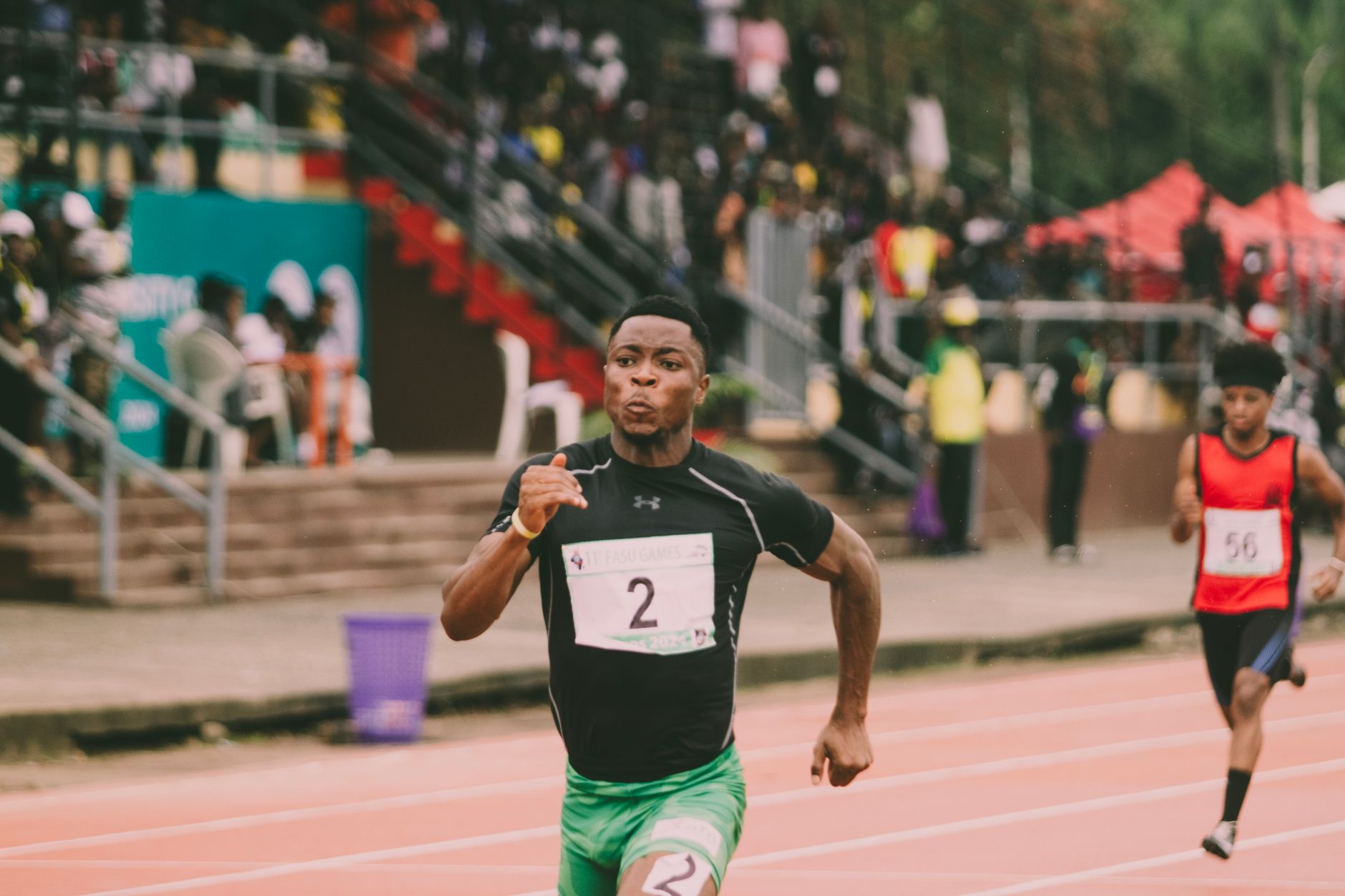
Key Takeaways
- Meditation for athletes measurably improves focus, reaction time, and decision-making under pressure — benefits backed by research from institutions including Harvard Medical School and the University of Miami.
- Regular meditation practice accelerates physical recovery by lowering cortisol, reducing inflammation markers, and improving sleep quality — all critical for training adaptation.
- Different meditation styles serve different athletic goals: mindfulness works best for pre-competition anxiety, visualization supports skill acquisition, and body scan practices target recovery.
- Even 10–15 minutes of daily practice produces meaningful results within 8 weeks, making meditation one of the most time-efficient performance tools available.
- Top athletes including LeBron James, Novak Djokovic, and the Seattle Seahawks have integrated structured meditation programs into their training with documented success.
- Beginners can start with guided apps like Headspace or Calm (approximately $70–$100/year in 2026) or explore structured programs like MBSR for deeper training.
You train harder than almost anyone you know. You track your macros, monitor your HRV, optimize your sleep, and still — when it matters most — your mind betrays you. The free-throw you've made ten thousand times in practice rims out in the fourth quarter. You tighten up in the final mile. A bad call derails your entire performance. If physical conditioning alone were enough, you'd already be performing at your ceiling. The missing piece for most serious athletes isn't in the weight room or on the track. It's between your ears.
Meditation for athletes is no longer a fringe concept whispered about in yoga studios. It's a legitimate, research-validated performance tool being adopted by elite sports organizations, Olympic programs, and professional franchises worldwide. This guide breaks down exactly how meditation works for athletic performance, recovery, and focus — and gives you a practical, no-fluff roadmap to build a practice that fits into your training life.
Why Meditation Belongs in Every Athlete's Training Plan
The sports world has long accepted that mental toughness matters. What's changed is our understanding of how to actually train the mind — not through motivational speeches or willpower alone, but through structured, repeatable practices that rewire neural pathways over time.
A landmark study from the University of Miami, led by neuroscientist Amishi Jha, found that a mindfulness training program delivered to U.S. Marines reduced mind-wandering and improved working memory capacity under high-stress conditions. The implications for athletes are direct: the same attentional control that keeps a soldier sharp in a combat environment is what keeps a point guard reading the defense in the final two minutes of a playoff game.
Harvard Medical School's research on the "relaxation response" — first described by Dr. Herbert Benson — demonstrated that meditative practices trigger measurable physiological changes including reduced heart rate, lower blood pressure, decreased oxygen consumption, and altered gene expression related to stress and inflammation. For athletes, these aren't abstract wellness metrics. They're recovery variables.
The Journal of Health Psychology published research showing that mindfulness meditation significantly reduced perceived exertion during exercise, meaning athletes who meditate can sustain higher training intensities with the same felt effort. That's a genuine competitive edge. To explore the full landscape of what research has uncovered, our overview of the scientific benefits of meditation provides a thorough starting point.
The Three Pillars: Performance, Recovery, and Focus
Performance: Training the Mind to Compete
Peak athletic performance requires a very specific mental state — psychologists call it "flow," and athletes call it being "in the zone." It's characterized by effortless concentration, automatic execution of complex skills, and a near-complete absence of self-consciousness. Meditation is one of the most reliable methods for training access to this state on demand.
Research published in Frontiers in Psychology found that experienced meditators show significantly greater activation in the prefrontal cortex — the brain region responsible for sustained attention and executive function — compared to non-meditators when performing under pressure. More practically, a 2023 meta-analysis in the Journal of Applied Sport Psychology reviewed 29 studies and concluded that mindfulness-based interventions produced statistically significant improvements in athletic performance across multiple sports, with the strongest effects seen in individual sports requiring fine motor control and sustained concentration.
Visualization — a form of mental rehearsal practiced during meditation — has its own robust evidence base. A classic study from the Cleveland Clinic Foundation demonstrated that subjects who only mentally rehearsed finger exercises gained approximately 35% of the strength gains achieved by those who physically practiced. For athletes learning new skills or rehabilitating after injury, this finding has profound implications.
Recovery: What Happens When You Stop Moving
Training breaks the body down. Recovery builds it back up stronger. Most athletes invest heavily in the breakdown phase and underinvest in recovery. Meditation addresses recovery through several well-documented mechanisms.
Cortisol regulation: Chronic training stress elevates cortisol, which suppresses immune function, impairs protein synthesis, and disrupts sleep. A study from the NIH found that an 8-week mindfulness program reduced salivary cortisol levels by an average of 14.5% in participants under chronic stress — levels comparable to those seen in overtrained athletes.
Sleep quality: Sleep is when the majority of physical repair occurs. Research from Harvard Medical School demonstrated that mindfulness meditation improved sleep quality and reduced insomnia symptoms, with particular benefits for people whose sleep was disrupted by rumination and anxiety — exactly the pattern seen in competitive athletes before major events.
Inflammation reduction: A Johns Hopkins University meta-analysis published in JAMA Internal Medicine reviewed 47 randomized clinical trials and found that mindfulness meditation programs produced moderate evidence of improvement in anxiety, depression, and pain — with secondary effects on inflammatory biomarkers. For athletes managing chronic pain or recovering from injury, reducing systemic inflammation through meditative practice represents a meaningful adjunct to conventional recovery protocols.
Focus: The Skill That Transfers Everywhere
Athletic focus is not simply "trying harder to concentrate." It's the ability to direct and sustain attention intentionally, return to task quickly after distraction, and remain present despite high stakes and physical discomfort. These are trainable skills — and meditation is the training mechanism.
The key neurological concept here is neuroplasticity. Sara Lazar's research at Massachusetts General Hospital (affiliated with Harvard) used MRI imaging to show that long-term meditators had measurably greater cortical thickness in the prefrontal cortex and right anterior insula — regions associated with attention, interoception, and sensory processing. Crucially, even 8 weeks of regular practice began producing measurable structural changes. For athletes, this means focus isn't a fixed trait — it's a trainable capacity with a relatively short ramp-up period.
Types of Meditation Best Suited for Athletes
Not all meditation practices are equally suited to athletic goals. Understanding the landscape helps you choose the right tool for the right outcome. Our comprehensive guide to types of meditation covers the full spectrum, but here are the four most relevant for athletes:
- Mindfulness Meditation: Attention-focused practice observing thoughts and sensations without judgment. Best for managing pre-competition anxiety, reducing performance pressure, and building general attentional control. The most extensively researched modality in sports science.
- Visualization / Guided Imagery: Mental rehearsal of specific movements, competitions, or scenarios. Best for skill acquisition, pre-competition preparation, and injury rehabilitation. Often combined with relaxation techniques for maximum effect.
- Body Scan Meditation: Systematic, non-judgmental awareness of physical sensations throughout the body. Best for post-training recovery, injury awareness, and developing interoceptive sensitivity — the ability to accurately read your body's signals.
- Transcendental Meditation (TM): Mantra-based practice typically learned through certified instruction. Athletes including Derek Jeter and Kobe Bryant have cited TM as a regular practice. Learn more about transcendental meditation and whether formal instruction is right for your goals.
What Elite Athletes and Teams Are Actually Doing
The adoption of meditation at the professional and Olympic levels is no longer anecdotal — it's systematic. The Seattle Seahawks, under coach Pete Carroll, worked with sport psychologist Michael Gervais to embed mindfulness practice into team culture, contributing to back-to-back NFC Championship appearances and a Super Bowl victory in 2014. The Chicago Bulls' championship dynasties of the 1990s were underpinned by Phil Jackson's integration of Zen meditation principles — documented in his book Sacred Hoops.
Novak Djokovic has publicly attributed his mental resilience and comeback ability to a regular meditation practice, describing it in detail in his book Serve to Win. LeBron James, Michael Jordan, Tiger Woods, and Kobe Bryant have all reported consistent meditation practices throughout their careers. At the Olympic level, the U.S. Olympic Committee has employed sport psychology staff integrating mindfulness protocols since the early 2000s.
These aren't coincidences or marketing narratives. They reflect a growing consensus among elite performance staff that mental training — and meditation specifically — is a legitimate competitive differentiator.
Top Meditation Programs and Tools for Athletes (2026)
The following table compares the most popular and effective meditation resources specifically relevant to athletic use cases:
| Program / Tool | Type | Approx. Cost (2026) | Best For | Pros | Cons |
|---|---|---|---|---|---|
| Headspace | App | $70/year | Beginners, daily consistency | Excellent sports-specific content, structured programs, clean UX | Less depth for advanced practitioners |
| Calm | App | $70/year | Sleep, recovery, stress | Superior sleep content, strong celebrity narrators, daily streaks | Less structured for performance training |
| Insight Timer | App | Free / $60/year (Pro) | Advanced athletes, variety seekers | Enormous free library, live sessions, teacher diversity | Overwhelming for beginners, inconsistent quality |
| MBSR (8-week program) | Structured course | $400–$650 | Serious athletes, deep training | Gold-standard research backing, systematic, transformative | Significant time commitment, requires instructor access |
| Transcendental Meditation | In-person instruction | $1,000–$1,500 (one-time) | Athletes wanting personalized instruction | Highly standardized, strong evidence base, lifetime support | Expensive, requires finding certified teacher |
| Ten Percent Happier | App + courses | $100/year | Skeptical athletes, science-minded users | Research-focused, high-quality teachers, excellent for "Type A" athletes | Less beginner-friendly UX than Headspace |
For a broader comparison of apps, our guide to the best meditation apps includes detailed reviews and head-to-head comparisons across all major platforms.
How to Build a Meditation Practice as an Athlete: Step-by-Step
- Start with 10 minutes, not 30. The research on dose-response shows that consistency matters far more than session length, especially in the first 8 weeks. A daily 10-minute practice produces measurable changes; a sporadic 30-minute practice does not. Set a non-negotiable minimum.
- Anchor it to an existing training habit. The most common reason athletes abandon meditation is scheduling friction. Attach your practice to something you already do — immediately after your morning warm-up, during your post-workout cooldown, or before your pre-sleep routine. Habit stacking dramatically increases adherence.
- Choose the right practice for your current need. Before competition week: use mindfulness or breath-focused meditation to manage anxiety. Post-training: use body scan to enhance recovery and develop body awareness. When learning new skills: add 10 minutes of visualization immediately after physical practice while motor patterns are fresh.
- Use the "3-breath reset" between plays or sets. This is a micro-meditation technique used by many sports psychologists: three slow, deliberate breaths (4-count inhale, 4-count hold, 6-count exhale) to reset the nervous system between high-intensity efforts. It can be practiced in seconds and delivers immediate measurable changes in heart rate variability.
- Track your practice, not your feelings. Beginners often abandon meditation because they feel they're "not doing it right" or aren't noticing results. Track only consistency — days practiced, minutes completed. Results in focus and recovery typically become noticeable after 3–4 weeks of daily practice.
- Progress to structured training after the first month. Once you've established the habit, consider an MBSR program or a structured best online meditation courses specifically designed to deepen practice systematically rather than relying on app randomness.
Common Mistakes Athletes Make with Meditation
- Treating it like another performance task. Athletes are goal-oriented by nature, which creates a counterproductive relationship with meditation — the harder you try to achieve stillness or focus, the more elusive it becomes. The practice is about observing, not achieving. This mental shift is the hardest and most important adjustment.
- Expecting immediate results. Neurological adaptation takes time. Research consistently shows that significant measurable changes in brain structure and stress response appear after approximately 8 weeks of consistent daily practice. Athletes who quit after two weeks miss the window where compounding effects begin.
- Using meditation only before competition. Many athletes reach for meditation only in the days before a major event, like a pre-race carb load. This misses the point. Meditation is a training modality — its benefits come from cumulative, consistent practice, not crisis deployment.
- Confusing relaxation with meditation. Listening to music or zoning out is not meditation. Effective meditation involves active, intentional direction of attention — even when the instruction is to "simply observe." The distinction matters because passive relaxation doesn't produce the same neurological adaptations.
- Neglecting the body-mind connection during practice. Athletes often focus exclusively on breath or thought observation and ignore the rich sensory data their bodies provide during meditation. Body scan practices in particular help athletes develop interoceptive accuracy — a skill directly relevant to training load management and injury prevention.
Frequently Asked Questions
How long does it take for meditation to improve athletic performance?
Research suggests that