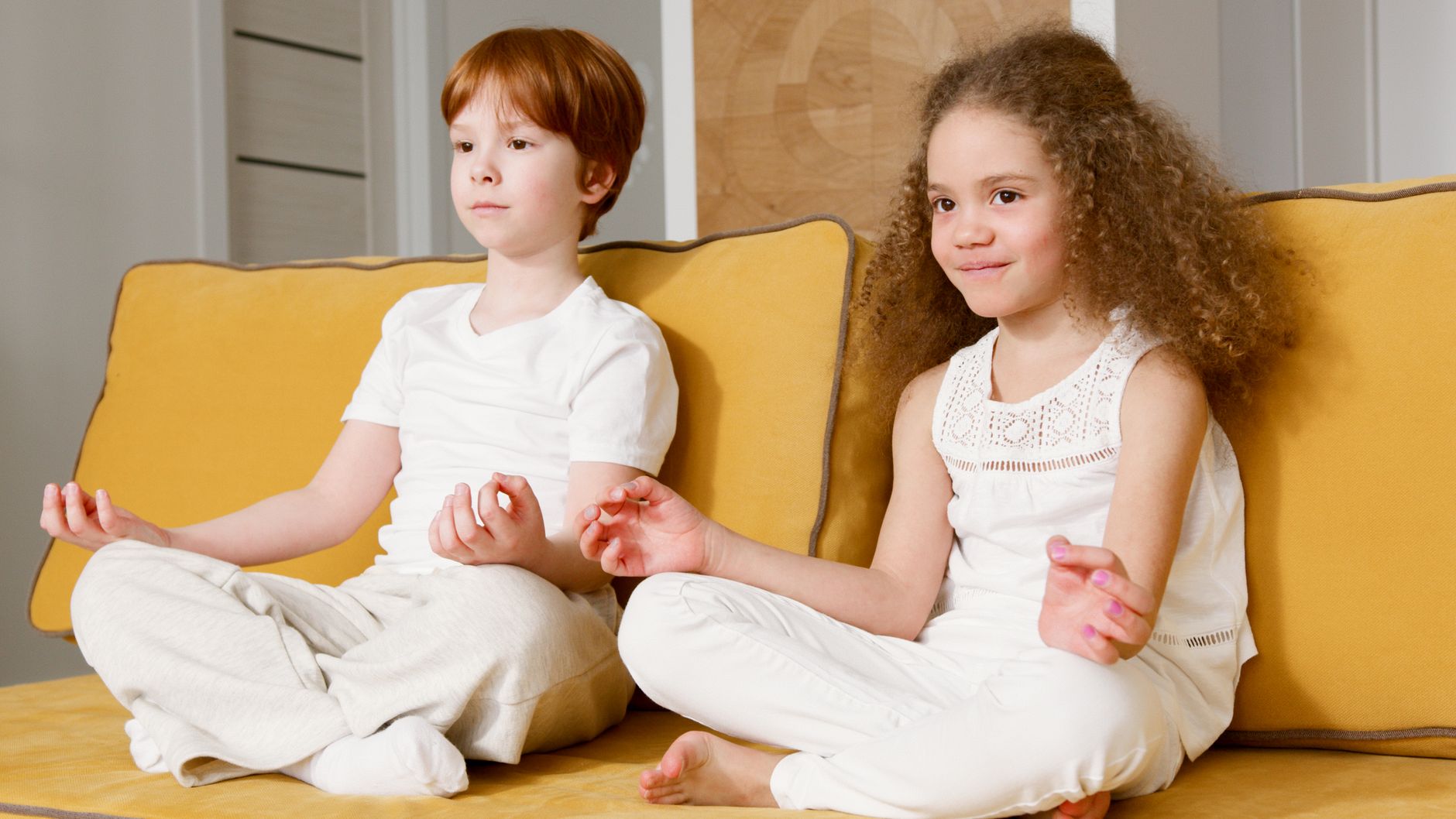
Key Takeaways
- Meditation for kids is backed by robust research showing improvements in attention, emotional regulation, and anxiety reduction across multiple age groups.
- Age-appropriate techniques vary significantly — what works for a five-year-old (belly breathing with a stuffed animal) differs greatly from what engages a teenager (body scan or app-guided sessions).
- Apps like Headspace for Kids, Calm, and Smiling Mind offer structured, child-friendly content with free tiers, though quality varies widely by age range and learning style.
- Short, consistent sessions (3–10 minutes daily) outperform occasional longer practices for children and adolescents.
- Parents and educators who practice alongside children see significantly better engagement and long-term habit formation.
- Common mistakes — including forcing stillness, using adult scripts, and skipping the "why" conversation — can turn children off meditation entirely.
If you've ever watched your child spiral into a meltdown before school, lie awake catastrophizing about a test, or melt down within minutes of screen-time ending, you already know the problem: kids today are carrying more stress than most adults realize. Childhood anxiety has risen sharply over the past decade, and pediatric mental health specialists are increasingly looking beyond medication and traditional therapy for accessible, preventive tools. Meditation for kids has moved from a niche wellness concept to a mainstream recommendation — but the gap between knowing it's a good idea and actually making it work in your home or classroom is enormous.
This guide closes that gap. You'll find age-calibrated techniques, honest reviews of the most popular apps, real research to give you confidence, and a practical step-by-step framework for introducing meditation to children without the eye-rolls, the fidgeting standoffs, or the "this is boring" complaints. Whether you're a parent of a sensitive six-year-old, a teacher managing a chaotic fourth-grade classroom, or a school counselor building a wellness curriculum, this is your roadmap.
Why Meditation for Kids Matters: What the Research Actually Says
The science here is no longer preliminary. A landmark 2019 meta-analysis published in Psychological Bulletin reviewed 61 studies involving more than 3,500 children and adolescents and found that mindfulness-based interventions produced meaningful improvements in attention, anxiety, depression, stress, and emotional regulation. The effect sizes were modest but consistent — comparable to what you'd see from other evidence-based school mental health programs.
At Johns Hopkins, researchers examining mindfulness in school settings found that students in 8-week mindfulness programs showed statistically significant reductions in depressive symptoms compared to control groups. A Harvard-affiliated study tracking adolescents at a Boston charter school demonstrated that a 16-week mindfulness curriculum improved executive function scores and reduced cortisol levels in saliva samples taken after stressful events.
The NIH's National Center for Complementary and Integrative Health lists mindfulness meditation as a practice with sufficient pediatric evidence to warrant further research investment — a meaningful signal of mainstream scientific acceptance. A 2020 study in the Journal of the American Medical Association (JAMA) Pediatrics specifically examined app-based mindfulness interventions for children ages 9–13 and found measurable improvements in sleep quality after just four weeks of use. For a deeper look at what the evidence shows across all ages, the scientific benefits of meditation are well-documented and extend far beyond stress relief.
None of this means meditation is a cure-all. Children with clinical anxiety, ADHD, or trauma histories should always have professional support. But as a daily wellness practice, the evidence is clear: it works, it's safe, and the earlier children build the habit, the more durable the benefits.
Age-Appropriate Meditation Techniques: A Developmental Breakdown
Ages 3–5: Playful, Sensory, and Imagination-Led
Toddlers and preschoolers cannot sit still and focus on breath in any meaningful way — and expecting them to is the fastest route to failure. At this age, meditation is best disguised as play. The goal is sensory awareness and simple emotional labeling, not formal practice.
- Belly Breathing with a Stuffed Animal: Have the child lie down and place their favorite stuffed animal on their belly. Ask them to make the animal "go up and go down" by breathing slowly. This makes the abstract concept of breath control concrete and delightful. Two to three minutes is plenty.
- The Balloon Breath: Ask kids to breathe in slowly and puff out their cheeks like a balloon filling with air, then slowly release. Adding a gentle arm movement — spreading arms wide on the inhale, hugging inward on the exhale — engages the body and keeps attention anchored.
- Sensory Sound Meditation: Ring a small bell or singing bowl and ask the child to raise their hand when they can no longer hear the sound. This trains attention in a way that feels like a game. Research from the Mindfulness journal has shown this exercise improves sustained attention in preschool-age children after just eight sessions.
Ages 6–9: Story-Driven and Guided Visualizations
Early elementary children have a rich imagination and a longer attention span, but they still need narrative structure. Abstract concepts like "observe your thoughts" are meaningless at this age. Story and metaphor do the heavy lifting.
- The Calm Lake Visualization: Guide children to picture a perfectly still lake inside their chest. When feelings get big, the lake gets choppy — and they can use slow breathing to calm the water. This metaphor maps directly onto how emotional regulation actually works in the nervous system.
- Body Scan Adapted for Kids: Instead of the clinical adult version, frame it as a "check-in rocket ship" traveling slowly from toes to the top of the head, noticing what each part feels like. Five to seven minutes is achievable for most children in this range.
- Loving-Kindness Basics: Introduce simple phrases: "May I be happy. May I be healthy. May I be safe." Then extend to "May my friend [name] be happy." This builds empathy alongside attention skills. A 2018 study in Mindfulness found significant peer relationship improvements in second and third graders who practiced loving-kindness phrases for six weeks.
Ages 10–12: Independent Practice with App Support
Tweens are capable of genuine mindfulness practice and often respond well to autonomy — being given tools they can use themselves, rather than being guided by adults. This is where apps become genuinely useful. They also respond to logic: brief, honest explanations of what's happening in the brain during stress and meditation can dramatically increase buy-in.
- 5-4-3-2-1 Grounding: Name 5 things you can see, 4 you can feel, 3 you can hear, 2 you can smell, 1 you can taste. This evidence-based technique is rooted in sensory grounding work from trauma therapy and has been adapted successfully for classroom anxiety reduction.
- Breath Counting Meditation: Inhale and exhale counts as one breath. Count to 10, then start over. When the mind wanders (it will), return to one without judgment. Simple, portable, and effective for this age group.
- Journaling After Meditation: Spending two minutes writing one word or one sentence about how the session felt creates a feedback loop and builds metacognitive awareness.
Ages 13–17: Autonomy, Apps, and Real-World Integration
Teenagers are often the hardest to reach and the most in need. The key is to avoid anything that feels forced, childish, or performative. Many teens connect with meditation when it's framed around performance — better focus for studying, better sleep, faster emotional recovery from social stress. Explore the range of types of meditation with teens and let them choose an approach that resonates personally.
- Body Scan and Progressive Muscle Relaxation: Full versions of both work well for teens, especially before sleep.
- Breath-focused or open-awareness meditation: 10-minute sessions using an app or guided audio three to four times per week is a realistic and research-supported target.
- Walking Meditation: Frame it as "mindful walking" during lunch or between classes. No sitting required, no performance anxiety.
Best Apps for Meditation for Kids: Honest Reviews
For a full comparison of general platforms, our guide to the best meditation apps covers adult options comprehensively. Here we focus specifically on child-oriented content and usability.
| App | Best Age Range | Free Tier? | Annual Cost (2026 est.) | Standout Feature | Weakness |
|---|---|---|---|---|---|
| Headspace for Kids | 5–12 | Limited (some free content) | ~$70/year (family plan) | Animated characters, curriculum-style progression, sleep sounds | Teens often find it too juvenile; limited content for 12+ |
| Calm (Kids section) | 7–17 | Very limited | ~$70/year | Sleep Stories narrated by well-known voices; excellent for bedtime anxiety | Kids section is a subset of adult app; navigation requires parent setup |
| Smiling Mind | 7–18 | Fully free | $0 | Australian nonprofit; school programs; age-specific modules; no ads | Interface feels slightly dated; less polished than premium apps |
| Stop, Breathe & Think Kids | 5–10 | Yes (robust free tier) | ~$36/year for premium | Emotion check-in before each session personalizes the experience | Smaller library than competitors; update cadence has slowed |
| Insight Timer (Kids playlist) | 8–17 | Extensive free content | $60/year for premium | Huge free library; many child-specific teachers; community features for parents | Requires curation — not all kids content is equally high quality |
Our overall recommendation: Start with Smiling Mind for its completely free, research-backed school programs. Add Headspace for Kids if budget allows and your child is in the 5–10 range. For teenagers, Insight Timer's free library — particularly sessions from teachers like Sarah Blondin or the dedicated teen collections — offers the best combination of variety and quality without a paywall.
How to Introduce Meditation to Your Child: A Step-by-Step Framework
- Start with yourself. Children are extraordinarily attuned to parental authenticity. If you introduce meditation as something they need to do while you scroll your phone, the message is clear. Practice even five minutes of your own daily meditation first. This also gives you firsthand knowledge of what you're asking of them.
- Have a low-pressure, honest conversation. Explain what meditation is in plain language: "It's a way of training your brain to be less worried and more focused, kind of like exercise for your mind." Avoid overselling. Don't promise it will fix anxiety immediately or make school easier overnight.
- Let them choose the format. Offer two or three options — a breathing exercise you do together, an app session, or a short body scan before bed. Choice dramatically increases cooperation, particularly for children 8 and older.
- Start absurdly small. Two to three minutes. Literally that short. The goal in week one is not transformation; it's building the association that meditation is a calm, pleasant part of the day. Extend duration only when the child asks or clearly settles quickly.
- Attach it to an existing habit. Before bed, after school snack, right before homework. Habit stacking — linking a new behavior to an established one — is one of the most research-supported strategies for habit formation across all ages.
- Debrief without pressure. After a session, a simple "What did you notice?" is more powerful than "Did you like it?" or "Did it work?" You're building reflective capacity, not seeking validation.
- Track it together. A simple sticker chart for younger children or a habit tracker app for teens provides visual progress and gentle accountability without coercion.
Meditation in Schools: What Educators Should Know
School-based mindfulness programs have accumulated a strong evidence base. The MindUP curriculum, developed by the Hawn Foundation, has been implemented in hundreds of schools across North America and has demonstrated improvements in social-emotional learning outcomes in multiple peer-reviewed studies. The Inner Explorer program offers audio-guided classroom sessions designed to run in just five minutes, requiring no teacher training.
For educators who want to go deeper, formal training makes a meaningful difference in program effectiveness. Research consistently shows that teachers who have their own meditation practice deliver better outcomes than those facilitating programs without personal experience. If you're an educator considering this path, exploring a best online meditation teacher training program gives you both the pedagogical framework and the personal practice foundation to teach authentically.
Key implementation tips for classrooms: keep sessions to five minutes or less initially, use the same time each day to build routine, frame it as brain science rather than spirituality to navigate cultural sensitivity, and never make participation mandatory — offer a quiet alternative activity for students who opt out.
Common Mistakes to Avoid
- Forcing stillness. Children, especially under age 8, often process meditation kinesthetically. Allowing gentle movement — rocking, swaying, or lying down — doesn't invalidate the practice. Insisting on a rigid posture guarantees resistance.
- Using adult scripts verbatim. Phrases like "observe your thoughts without judgment" or "notice the quality of your breath" are meaningless to a seven-year-old. Always translate concepts into concrete, sensory, or story-based language.
- Expecting immediate results. Parents often abandon the practice after two weeks because they haven't seen a behavioral change. Research suggests neurological and behavioral benefits accumulate over 6–8 weeks of consistent practice. Consistency over intensity is the governing principle.
- Using meditation as punishment or emergency intervention only. If children only encounter meditation when they're in crisis ("Go meditate until you calm down"), they'll associate it with punishment. Build it as a pleasant daily routine, not a behavioral consequence.
- Neglecting to address the "why" for older kids. Adolescents especially need to understand the mechanism. A brief explanation of how the amygdala hijacks the prefrontal cortex under stress — and how breath regulation interrupts that process — converts skeptics into willing participants more reliably than any amount of parental enthusiasm.
Frequently Asked Questions
Related Reading
Best Meditation Videos for Sleep on YouTube (2026) — A related read from our archive.