About
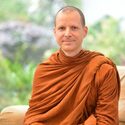
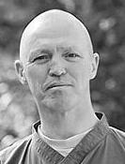
Christopher Ives is affiliated with the Barre Center for Buddhist Studies. Limited biographical information is available in the source material.
Teaching focus
His teaching focuses on Zen and Buddhist ethics, with substantial published academic work on Zen's engagement with social and ethical questions. The work addresses how Buddhist practice meets contemporary moral and political concerns. The work draws on Zen practice as the foundational framework, taught with care for the textures of present experience rather than as abstract doctrine. Zazen sits at the center of the practice, with breath and posture as the steady anchors. Koan practice or shikantaza enters depending on the lineage stream, and the teaching emphasizes direct present recognition rather than discursive elaboration. Lovingkindness gets serious time on retreat, treated as central practice rather than supplemental, and the broader brahmavihara framework offers additional ground for the slower work of equanimity and forgiveness. Daily-life integration runs through the recorded teaching as a steady concern. The same awareness that opens during a sit is the awareness that meets traffic, family, and work, and the teaching keeps coming back to that continuity rather than treating retreat as a separate world. Across the recorded teaching runs a steady commitment to the actual work of practice, the slow unfolding that doesn't always make for inspirational soundbites but that carries the path forward across years of sitting. A consistent thread runs through the recorded archive: the willingness to be specific about what to do in this moment rather than gesture at long arcs of advanced practice. That specificity is part of what makes the teaching usable in ordinary daily-life practice.
Background
Christopher Ives is an established teacher in the Vipassana and Zen tradition descended from the Burmese and Thai vipassana lineages as carried into the West. Christopher Ives is affiliated with Barre Center for Buddhist Studies. He's a senior scholar of Zen and Buddhism, particularly known for his work on Zen ethics and the relationship between Buddhism and contemporary social and ethical questions. The teacher's recorded material is mostly hosted through affiliated centers and personal platforms rather than through Dharma Seed. Established teachers occupy a useful middle position in the directory, with enough recorded teaching to give students a sustained body of work to study, and enough ongoing practice to keep developing. The recordings carry a quiet warmth and an attentive specificity, the kind of teaching that rewards careful listening over time. The teaching reflects both the depth of a long practice lineage and the practical concerns of contemporary practitioners working ordinary jobs, raising children, and trying to integrate serious dharma into lives that don't pause for retreat. That practical orientation runs through the recorded material as a steady undercurrent. Like many teachers in the wider Insight community, this teacher's path includes time on long silent retreat, ongoing study with senior teachers, and gradual integration of teaching responsibility through co-teaching and small local programs before stepping into broader retreat work. That apprenticeship model shapes the careful pacing of the teaching. Ives's academic work has been part of a wider scholarly conversation about how Buddhist institutions across history have engaged with political power and ethical questions. The Imperial-Way Zen study addresses a difficult chapter in Japanese Zen history during the wartime period, and the broader work pushes contemporary Zen practitioners toward more careful engagement with the ethical dimensions of practice.
Lineage
Ives is a senior academic scholar in Buddhist studies, particularly Zen ethics. He's affiliated with BCBS for some of his teaching. The teacher works as a layperson, in keeping with the broader Western lay-teacher form of the tradition. He's affiliated with Barre Center for Buddhist Studies.
What to expect
Programs at BCBS combine academic study with contemplative practice. Ives's teaching often addresses the ethical dimensions of contemporary Buddhist practice. Retreats run on a Zen schedule with multiple zazen periods, kinhin walking practice, and dokusan or work practice depending on the lineage. The pacing is structured and the silence is firm. The pacing is careful and the teaching is specific, suiting practitioners who want concrete instruction over inspirational framing. For practitioners working at distance, recorded talks and online programs often offer a good initial point of contact, with in-person retreat following once the teaching voice and approach have become familiar.