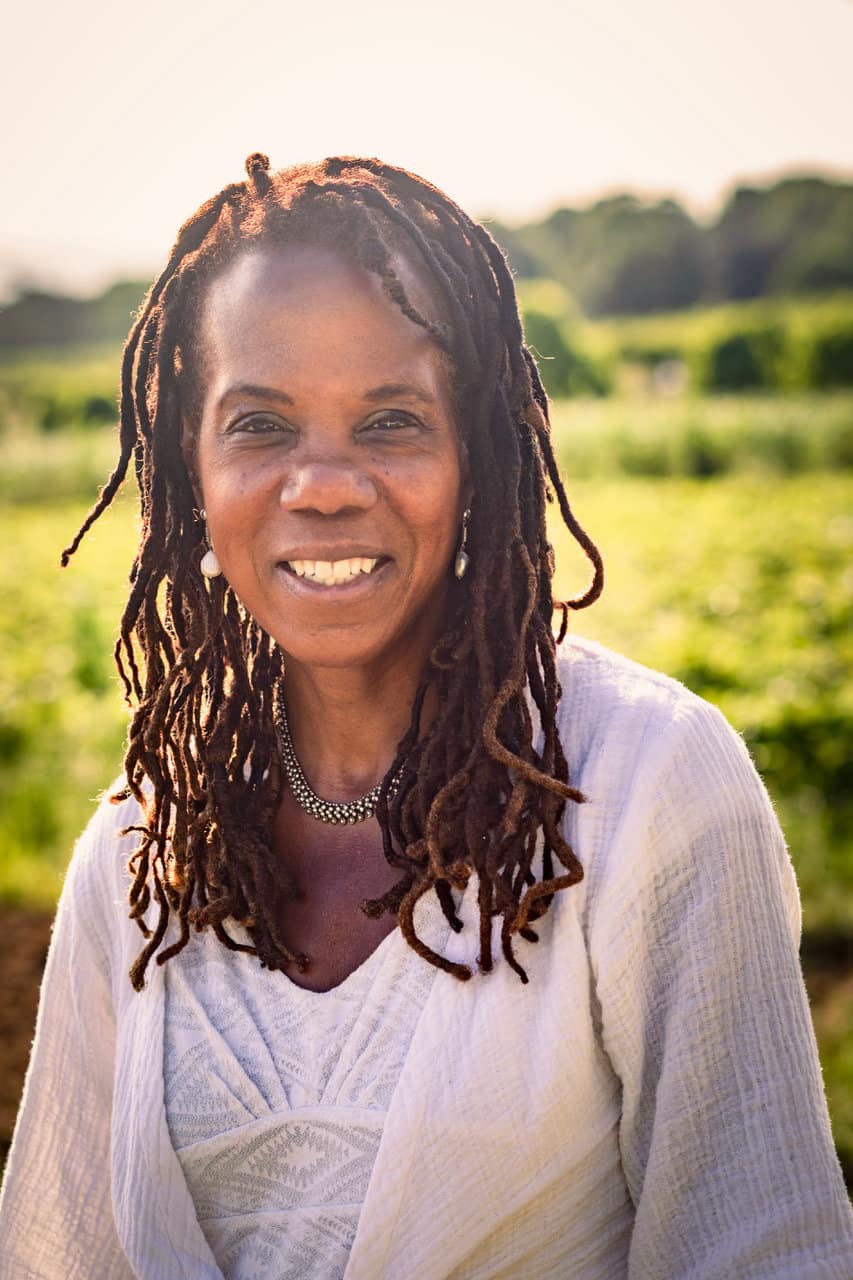
About
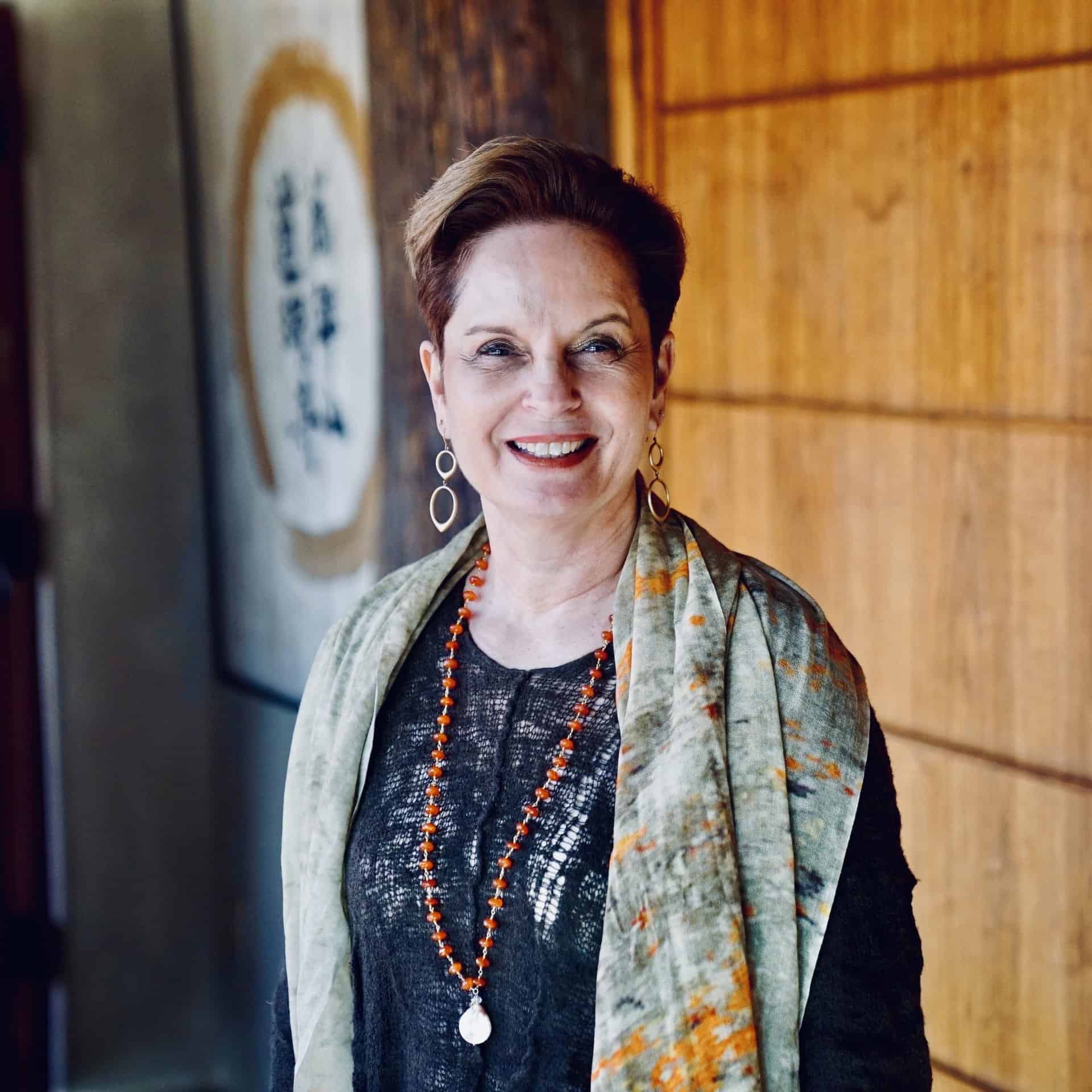
Crystal Johnson is a retired clinical psychologist and dharma practitioner based in the San Francisco Bay Area. She teaches in the Zen lineage of Shunryu Suzuki Roshi. Johnson co-creates and co-teaches programs focused on race, white privilege, and diversity within sangha communities. These include White and Awakening in Sangha at East Bay Meditation Center in Oakland, Interconnected: Challenging Racism and White Privilege with Mindfulness and Compassion at San Francisco Zen Center, and Unpacking the Whiteness of Leadership through Branching Streams. She also consults with organizations on racial equity in organizational culture and practices. Johnson serves on the Leadership Sangha and Radical Inclusivity Committee at East Bay Meditation Center.
Teaching focus
Crystal Johnson's teaching focus sits inside the Zen traditions of Japan, Korea, or China, with shikantaza or koan introspection depending on lineage as the working ground. Zen practice here keeps things spare. Sitting is the central act, posture matters, and verbal teaching tends to land in fewer words than other lineages use. Whether the form is shikantaza or koan introspection depends on lineage, but the underlying refusal to substitute thinking-about-practice for practice itself is constant. Workplace-oriented teaching keeps the depth without losing the audience, which is harder to do well than it usually looks. Across the body of work, the consistent thread in Crystal Johnson's teaching is the refusal to let practice become abstract. The instruction asks for direct contact with what's actually arising, and the framing supports practitioners in giving it that. Recurring questions in the teaching include how to keep practice honest across years, how to hold difficulty without bypassing it, and how the dharma actually shows up in ordinary life rather than only on the cushion. Recurring questions in the teaching include how to keep practice honest across years, how to hold difficulty without bypassing it, and how the dharma actually shows up in ordinary life rather than only on the cushion.
Background
Crystal Johnson is a retired clinical psychologist and dharma practitioner based in the San Francisco Bay Area. She teaches in the Zen lineage of Shunryu Suzuki Roshi. Johnson co-creates and co-teaches programs focused on race, white privilege, and diversity within sangha communities. These include White and Awakening in Sangha at East Bay Meditation Center in Oakland, Interconnected: Challenging Racism and White Privilege with Mindfulness and Compassion at San Francisco Zen Center, and Unpacking the Whiteness of Leadership through Branching Streams. She also consults with organizations on racial equity in organizational culture and practices. Johnson serves on the Leadership Sangha and Radical Inclusivity Committee at East Bay Meditation Center. She is currently on the Leadership Sangha (board) and part of the Radical Inclusivity Committee of the East Bay Meditation Center in Oakland, CA. Can't join us live online or on the land? Study and practice at your convenience with Crystal Johnson through our new library of recordings, articles, and self-paced online courses. Crystal Johnson's teaching is anchored at Spirit Rock. The teaching draws from the Zen traditions of Japan, Korea, or China, with shikantaza or koan introspection depending on lineage as the working ground. Areas of particular focus include corporate. The Zen shape of Crystal Johnson's teaching shows up in the spareness. Less commentary, more presence. Posture, breath, and the willingness to sit through what doesn't get explained. Practitioners drawn to Crystal Johnson's teaching tend to be people who've already noticed that practice is a long arc, not a quick fix, and who want a teacher who treats it that way. Practitioners drawn to Crystal Johnson's teaching tend to be people who've already noticed that practice is a long arc, not a quick fix, and who want a teacher who treats it that way. Practitioners drawn to Crystal Johnson's teaching tend to be people who've already noticed that practice is a long arc, not a quick fix, and who want a teacher who treats it that way. Practitioners drawn to Crystal Johnson's teaching tend to be people who've already noticed that practice is a long arc, not a quick fix, and who want a teacher who treats it that way. Practitioners drawn to Crystal Johnson's teaching tend to be people who've already noticed that practice is a long arc, not a quick fix, and who want a teacher who treats it that way. Practitioners drawn to Crystal Johnson's teaching tend to be people who've already noticed that practice is a long arc, not a quick fix, and who want a teacher who treats it that way.
Lineage
Crystal Johnson teaches within the Zen traditions of Japan, Korea, or China. Current affiliation runs through Spirit Rock. Crystal Johnson teaches as a fully ordained monastic. The lineage shapes the form of the teaching, not just its content. Practitioners encountering it find a transmission line still actively developing. The lineage shapes the form of the teaching, not just its content. Practitioners encountering it find a transmission line still actively developing. The lineage shapes the form of the teaching, not just its content. Practitioners encountering it find a transmission line still actively developing. The lineage shapes the form of the teaching, not just its content. Practitioners encountering it find a transmission line still actively developing.
What to expect
In Crystal Johnson's online programs, expect guided sittings, structured teaching segments, and group discussion that takes the medium seriously rather than treating it as a fallback. Form is part of the practice, posture, the silence between sittings, and the spareness of the verbal teaching all working together. The atmosphere is grounded rather than performative, and practitioners tend to leave with practical ground to keep working from on their own. The atmosphere is grounded rather than performative, and practitioners tend to leave with practical ground to keep working from on their own. The atmosphere is grounded rather than performative, and practitioners tend to leave with practical ground to keep working from on their own.