About
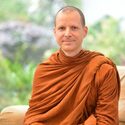
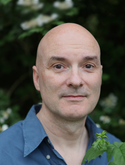
Paul Fulton is affiliated with the Barre Center for Buddhist Studies. Limited public biographical information is available in the source material provided.
Teaching focus
Paul Fulton's teaching focus sits inside the Burmese vipassana revival as transmitted to the West, with insight meditation (vipassana) as the working ground. Vipassana practice as taught here works with direct observation of body, feeling-tone, mind-state, and dhammas, the four foundations of mindfulness as they appear in the Satipatthana Sutta. The instruction keeps coming back to what's actually arising rather than what should be. Across the body of work, the consistent thread in Paul Fulton's teaching is the refusal to let practice become abstract. The instruction asks for direct contact with what's actually arising, and the framing supports practitioners in giving it that. Recurring questions in the teaching include how to keep practice honest across years, how to hold difficulty without bypassing it, and how the dharma actually shows up in ordinary life rather than only on the cushion. Recurring questions in the teaching include how to keep practice honest across years, how to hold difficulty without bypassing it, and how the dharma actually shows up in ordinary life rather than only on the cushion. Recurring questions in the teaching include how to keep practice honest across years, how to hold difficulty without bypassing it, and how the dharma actually shows up in ordinary life rather than only on the cushion.
Background
Paul Fulton is affiliated with the Barre Center for Buddhist Studies. Limited public biographical information is available in the source material provided. Paul Fulton's teaching is anchored at Barre Center for Buddhist Studies in central Massachusetts, the scholarly partner to IMS. The teaching draws from the Burmese vipassana revival as transmitted to the West, with insight meditation (vipassana) as the working ground. In Paul Fulton's talks the emphasis lands on direct observation. What the breath actually does, what mood actually feels like in the body, what arises and passes when nothing is being added. The practice is asked to deliver its own evidence. Practitioners drawn to Paul Fulton's teaching tend to be people who've already noticed that practice is a long arc, not a quick fix, and who want a teacher who treats it that way. Practitioners drawn to Paul Fulton's teaching tend to be people who've already noticed that practice is a long arc, not a quick fix, and who want a teacher who treats it that way. Practitioners drawn to Paul Fulton's teaching tend to be people who've already noticed that practice is a long arc, not a quick fix, and who want a teacher who treats it that way. Practitioners drawn to Paul Fulton's teaching tend to be people who've already noticed that practice is a long arc, not a quick fix, and who want a teacher who treats it that way. Practitioners drawn to Paul Fulton's teaching tend to be people who've already noticed that practice is a long arc, not a quick fix, and who want a teacher who treats it that way. Practitioners drawn to Paul Fulton's teaching tend to be people who've already noticed that practice is a long arc, not a quick fix, and who want a teacher who treats it that way. Practitioners drawn to Paul Fulton's teaching tend to be people who've already noticed that practice is a long arc, not a quick fix, and who want a teacher who treats it that way. Practitioners drawn to Paul Fulton's teaching tend to be people who've already noticed that practice is a long arc, not a quick fix, and who want a teacher who treats it that way. Practitioners drawn to Paul Fulton's teaching tend to be people who've already noticed that practice is a long arc, not a quick fix, and who want a teacher who treats it that way.
Lineage
Paul Fulton teaches within the Burmese vipassana revival as transmitted to the West. Current affiliation runs through Barre Center for Buddhist Studies in central Massachusetts, the scholarly partner to IMS. Paul Fulton teaches as a lay practitioner rather than from a monastic role. The lineage shapes the form of the teaching, not just its content. Practitioners encountering it find a transmission line still actively developing. The lineage shapes the form of the teaching, not just its content. Practitioners encountering it find a transmission line still actively developing. The lineage shapes the form of the teaching, not just its content. Practitioners encountering it find a transmission line still actively developing.
What to expect
In Paul Fulton's classes and groups, expect guided sitting, dharma teaching held to a manageable length, and time for practitioners to ask the questions that are actually live for them. Sittings are conventional, mindfulness of breath and body, with metta and inquiry into difficult mind-states woven through. There's space for questions, and the answers don't get rushed. The atmosphere is grounded rather than performative, and practitioners tend to leave with practical ground to keep working from on their own. The atmosphere is grounded rather than performative, and practitioners tend to leave with practical ground to keep working from on their own.