About
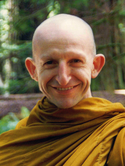
Paul Haller was ordained as a Theravada monk in Thailand before becoming a priest at San Francisco Zen Center in 1980. He served as abbot from 2003 to 2012. Haller has taught dharma for over 35 years, with a focus on integrating Buddhist practice into hospice, jail, and peace work. He leads outreach programs at the Zen Center.
Teaching focus
Haller's core teaching draws on shikantaza (just sitting), breath-counting, koan introspection. The frame is the Zen tradition of seated meditation and direct pointing, but the language stays plain. Haller doesn't lecture from height. The talks tend to think alongside whatever's actually present in the room. Recurring themes include zazen, samu, and sangha. None of those get presented as abstract ideas. They're worked into the body, into ethics, into how a practitioner shows up in family life or at work, so that the dharma stops feeling like a separate compartment. Haller works comfortably with longer-term practitioners. Talks assume some familiarity with sitting, and the questions tend to circle around how to keep practice alive once the early enthusiasm has thinned out. Format-wise, Haller teaches in in-person, online, retreat, and the tone moves easily between guided sittings, dharma talks, and Q&A. Questions tend to get answered the way they were asked, without being reframed into something cleaner. That alone tells you a lot about how the room feels.
Background
Paul Haller was ordained as a Theravada monk in Thailand before becoming a priest at San Francisco Zen Center in 1980. He served as abbot from 2003 to 2012. Haller has taught dharma for over 35 years, with a focus on integrating Buddhist practice into hospice, jail, and peace work. He leads outreach programs at the Zen Center. Paul Haller has been teaching the dharma for over 35 years. Initially ordained as a Theravada monk in Thailand, he became a priest at the San Francisco Zen Center in 1980 and its abbot from 2003 to 2012. He has been leading the Zen Center's outreach program and has extensive experience integrating Buddhist practice with hospice, jail and peace work. Haller teaches across several communities, including Insight Meditation Center, Insight Retreat Center. That work sits within the Zen tradition of seated meditation and direct pointing, and the recurring concerns of Haller's teaching, ethical foundation, steady attention, and the slow softening of habitual reactivity, echo the older texts without sounding distant from a 21st-century practitioner's life. What stands out across Haller's talks isn't a single technique but a steadying tone. Practice is treated as something built slowly, in ordinary life, with care. There's room for the difficulties practitioners actually bring into the room, grief, restlessness, the body's complaints, family obligations, and the encouragement is consistent without being pushy.
Lineage
Haller teaches within the Zen tradition of seated meditation and direct pointing. Current affiliations include Insight Meditation Center, Insight Retreat Center. The lineage shows up less in titles than in the way Haller talks about practice, with steady reference to the older Buddhist vocabulary while keeping the door open for people who've never read a sutra. Whether that framing lands as monastic or lay depends on the specific talk, but the consistent thread is care for the form without letting the form become the point.
What to expect
Sitting with Haller, you can expect grounded instruction in shikantaza (just sitting), with space to ask questions and bring whatever's actually showing up in your practice. On retreat the structure follows a classical rhythm of sittings, walking practice, and dharma talks, with silence held between sessions. Online sessions tend to keep the same shape, shorter sits, a talk, and time for Q&A, in a format that's accessible from home. The teaching voice is steady. Haller won't push you past your edge, and there's a clear preference for slow, sustainable practice over breakthrough chasing. Bring a notebook if you like, or don't. Either way, you'll be met where you are.