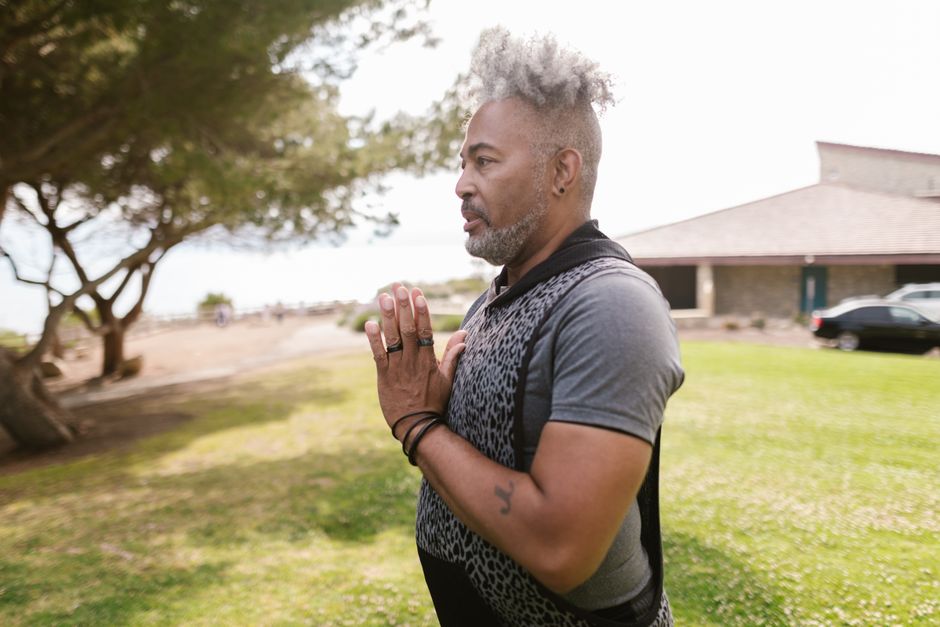
You've been sitting on the cushion for years now. Friends ask you for breathing tips when they're spiraling. Your coworker says your voice gets "calm" when you guide them through something. And somewhere in the back of your mind, a question keeps surfacing: could I actually teach this?
Maybe you're burnt out from corporate work. Maybe a retreat cracked you open and you want to give back. Maybe you've simply been practicing long enough that teaching feels like the natural next step. Whatever the reason, "how to become a meditation teacher" is a question that deserves a real answer — not a sales funnel for a $4,000 certificate.
Here's the honest version. Teaching meditation isn't regulated like therapy or yoga. There's no single license, no governing body that everyone agrees on, no required degree. That's both the freedom and the problem. The path you choose will shape what you can teach, who you can serve, and whether you're contributing to the depth of practice or to what critics rightly call "McMindfulness."
Let's walk through it.
What Teaching Meditation Actually Means in 2026
First, clear away the fog. "Meditation teacher" is an umbrella that covers wildly different roles.
On one end, you have lineage-based teachers — Zen priests, Vipassana instructors authorized by their teachers, Tibetan lamas, Vedic meditation initiators. These people typically spent years (sometimes decades) training under a specific lineage before being given permission to teach. Authorization is personal, not paperwork.
On the other end, you have secular mindfulness instructors — people certified to teach MBSR, MBCT, or generic mindfulness in workplaces, schools, and apps. This is where most modern certification programs sit. It's also where standards vary the most.
In between, you'll find meditation coaches, app-based teachers, yoga-teacher-adjacent meditation guides, and people who run community sits without calling themselves "teachers" at all.
None of these are wrong. But they're not interchangeable. A weekend "meditation teacher training" doesn't qualify you to lead a 10-day silent retreat. A Vipassana background doesn't automatically make you qualified to teach trauma survivors. The differences between Vipassana, MBSR, and Zen matter — for what you teach, how you teach it, and who you can safely serve.
Be honest with yourself about which lane you're entering.
The Prerequisite Most Programs Won't Mention
Before any certification, you need a practice. Not "I meditate 10 minutes most mornings." A real, sustained, established practice.
What that looks like in practice:
- Daily sitting for at least two to three years. Most reputable programs require this; the sketchy ones don't ask.
- Multiple silent retreats — ideally at least one of 7+ days. Until you've sat through the boredom, the knee pain, the involuntary tears, and the strange afternoon where time stops working, you don't really know what you're guiding people into.
- Personal experience with the tradition you'll teach. If you want to teach Vipassana, you should have done Vipassana retreats. If you want to teach MBSR, you should have completed an MBSR course as a participant.
- A relationship with a teacher who knows you and your practice. Not a podcast host. Not Sam Harris. An actual human who has watched you sit.
This isn't gatekeeping. It's the difference between a yoga teacher who's done their own asana for a decade and one who memorized cues in a 200-hour rush. People can feel the difference, even if they can't name it.
If you're still in the "I get anxious when I try to sit" phase, that's fine — but it's the phase for being a student, not a teacher. You might find this piece on difficult emotions during meditation useful, or this one if anxiety is shutting down your practice entirely.
Choosing a Tradition and a Training Path
This is where most people get stuck. OMP's training directory currently tracks 597 meditation teacher training programs globally, with 212 flagged as notable or IMTA-accredited. That's a lot of doors.
To narrow it down, start with tradition. By program count globally, the top five are:
- Secular Mindfulness (135 programs)
- MBSR (108 programs)
- Vipassana / Insight (102 programs)
- Zen (60 programs)
- Tibetan (59 programs)
Each tradition produces a different kind of teacher. Secular mindfulness and MBSR programs tend to be the most structured, the most accessible, and the most employable in clinical or corporate settings. Vipassana, Zen, and Tibetan paths tend to be longer, more demanding, and more rooted in religious or contemplative context.
A few starting points worth your time:
- The 4 best secular mindfulness teacher training certifications if you want to teach in workplaces, schools, or healthcare.
- The 4 best Buddhist meditation teacher training courses online for lineage-aware paths you can begin remotely.
- The 5 best Vedic meditation teacher training programs if you're drawn to mantra-based practice.
- The 5 best trauma-informed meditation teacher training programs if you'll be working with vulnerable populations.
- The 4 best somatic meditation teacher training programs for body-first approaches.
Format matters too. Of the 597 tracked programs, 522 offer in-person components, 303 offer online options, and 46 are hybrid. Online programs (covered in detail in the best online meditation teacher training programs for 2026) have exploded since 2020 — they're more accessible, but they generally can't replace the in-person retreat hours that serious teaching requires.
Geography also shapes options. The U.S. dominates with 195 programs, followed by the UK (58), India (25), Australia (22), and Canada (20). If you're outside these countries, online or hybrid is often your most realistic path.
How to Vet a Program Before You Pay
Here's where I want to be blunt. The meditation training industry has its share of scandals — sexual misconduct cases in major Zen and Tibetan communities, financial coercion in some Vedic lineages, "teachers" with two weekends of training charging $200 a session. Vetting matters.
Before you commit to any program, work through these:
Lineage and Teacher Authorization
Who trained the lead teachers? Were they authorized to teach by their own teachers, or did they self-certify? Verifying a meditation teacher's lineage is a skill worth learning before you spend a cent.
Curriculum Depth
Does the program include actual silent retreat time? Mentored teaching practice? Reading of primary texts? Or is it 40 hours of videos and a PDF workbook?
Red Flags
High-pressure sales tactics. Promises of income figures. Founders who can't name their own teachers. Forbidden questions. We've documented 9 red flags that mean you should walk away — read it before you wire anyone money.
Alumni Experience
Talk to people who've finished the program. Not testimonials on the sales page. Actual graduates. These questions to ask alumni will save you thousands.
Cost Transparency
Programs range from free (some monastery-based paths) to over $15,000. The full 2026 cost breakdown covers what's reasonable and where the markups hide. And the real cost beyond tuition — retreat travel, supervision hours, time off work — is often more than the program fee itself.
If you want a structured framework, our complete guide to choosing a teacher training walks through the decision step by step.
Certification, Credentials, and What Actually Matters
There's no federal license for meditation teachers in the U.S., UK, or most countries. The main credentialing bodies you'll encounter:
- IMTA (International Mindfulness Teachers Association) — the most widely recognized accreditation for secular mindfulness teachers.
- The Mindfulness Network / CMRP Bangor — well-respected in the UK and Europe, particularly for MBSR and MBCT.
- UMass Memorial Mindfulness Center (formerly the CFM) — the original home of MBSR teacher training.
- Tradition-specific authorization — being given permission to teach within a specific Zen, Tibetan, Vipassana, or Vedic lineage. This carries more weight inside the tradition than any third-party certificate.
Here's the honest take: credentials matter for access — getting hired by hospitals, schools, corporate wellness programs, insurance reimbursement contexts. They matter less for the quality of your actual teaching, which comes from your own practice and your willingness to keep learning.
A 60-hour weekend certificate hung on the wall doesn't make you a teacher. Years of sitting, retreats, mentorship, and slowly leading small groups does.
Building a Teaching Practice Without Selling Your Soul
Once you've trained, the next question is: how do you actually do this work?
Most new meditation teachers start in one or more of these contexts:
- Community sits — free or donation-based weekly groups at libraries, community centers, your living room. This is where most real teachers begin. Low stakes, high learning.
- Corporate and workplace wellness — often the best-paying entry point, but also where mindfulness gets most stripped of context. Be thoughtful about who you work with.
- Healthcare and clinical settings — usually requires MBSR or MBCT certification, sometimes additional clinical credentials.
- Schools and universities — growing market, often requires trauma-informed training.
- 1:1 coaching — covered in detail in our guide to becoming a certified meditation coach online.
- Online teaching — your own platform, apps like Insight Timer, or established programs.
- Retreats — usually the last step, not the first. Leading a retreat requires substantial experience.
A few principles worth holding:
Teach what you've practiced. Not what you read about. Not what your favorite Substack writer says. Your authority comes from your own seat.
Know what you don't know. Meditation can surface trauma, dissociation, and psychiatric symptoms. If you haven't trained in trauma-informed approaches, refer out. Read why meditation can trigger panic attacks and what the research actually shows about meditation for PTSD before you work with anyone who has a trauma history.
Keep a teacher of your own. Teaching without continuing to be a student is how teachers go off the rails. Find someone whose practice you respect and stay in relationship with them.
Don't promise outcomes. Skip the "rewire your brain" language. Skip the "transform your life" hooks. The practice is what it is. Honesty travels further than hype.
A Realistic Timeline (And Why Most People Hate It)
If you started meditating yesterday and want to teach, here's roughly what an honest path looks like:
- Years 1–3: Establish a daily practice. Take a few weekend or week-long retreats. Read widely. Try different traditions before you commit. This tradition-by-tradition guide can help.
- Years 3–5: Deepen in one tradition. Sit longer retreats. Find a teacher. Begin assisting in small ways — setting up cushions, hosting community sits.
- Years 5–7: Enroll in formal teacher training. Complete the program. Start teaching small groups under supervision.
- Years 7+: Build your independent practice. Consider specialization (trauma-informed, clinical, populations).
Some people compress this. Some take much longer. The point isn't the timeline — it's that there's no shortcut. The teachers people actually return to are the ones who sat for years before they ever spoke.
If you want a faster entry, secular mindfulness paths and coaching certifications can get you teaching within 12-18 months. Just be honest with your students about your level of experience.
A Soft Invitation
If you've read this far, you're probably more serious about this than most people who land on a "become a meditation teacher" page. That matters.
The world doesn't need more "high-performance mindset coaches" or apps optimizing your stress hormones. It needs people who've actually sat with their own suffering, found something honest in the practice, and want to offer it to others without dressing it up as something it isn't.
Take your time. Sit more retreats than you think you need. Find a teacher whose own practice you trust. And when you're ready, choose a training program with eyes open.
Related reading
- How to Choose a Meditation Teacher Training: A Complete Guide
- Meditation Teacher Training Red Flags: 9 Signs to Walk Away
- The Best Online Meditation Teacher Training Programs (2026)
Choosing a teacher training?
Start with the free database, then choose with confidence.
Browse 300+ meditation teacher training programs free - filter by tradition, format, and accreditation. When you're ready to decide, The MTT Selection Workbook walks you through it with quizzes, rubrics, and red-flag checklists.