The 5 Best Meditation Coach Certification Programs Online (2026)
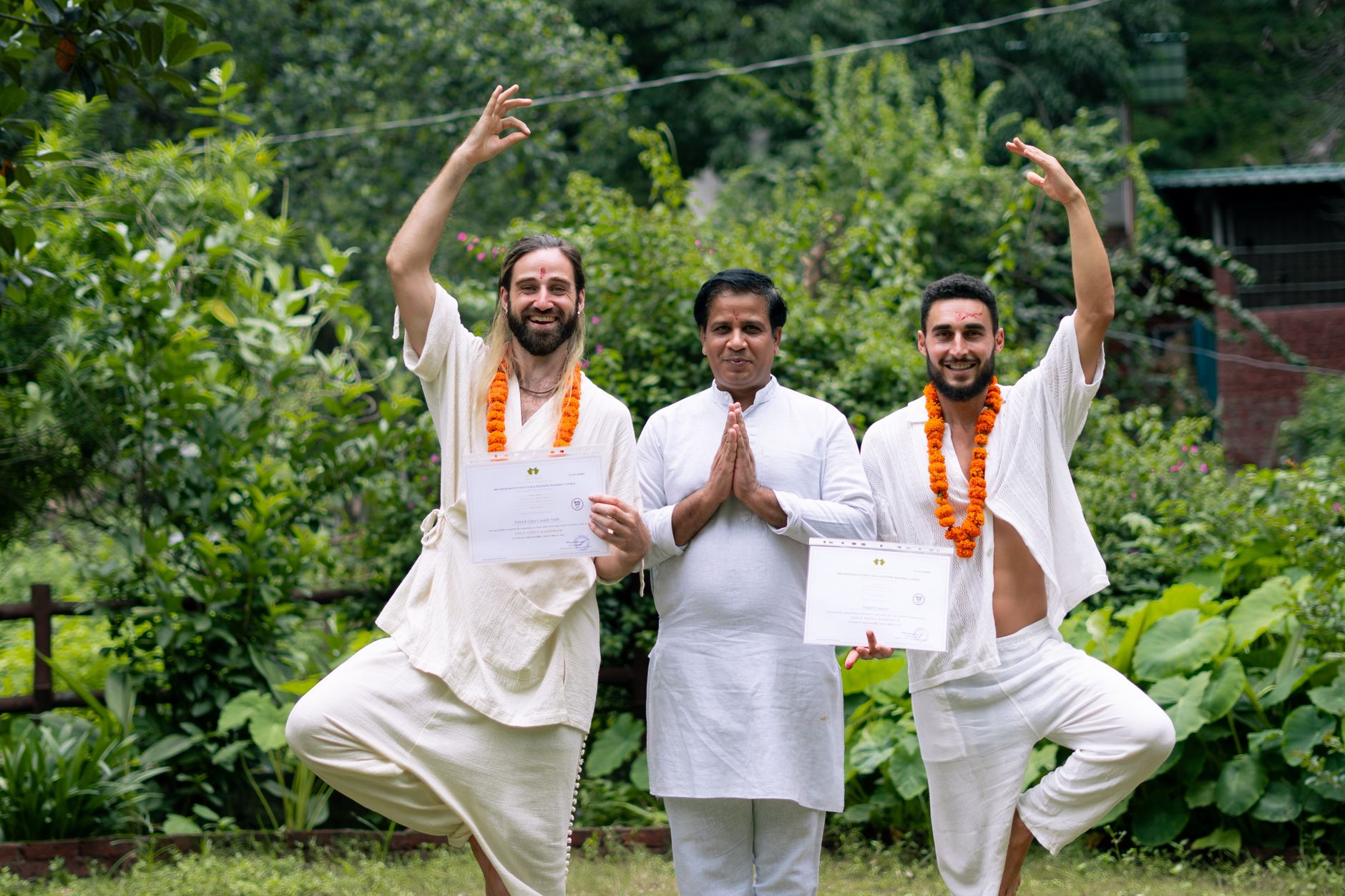
A meditation teacher leads classes and guides groups through practices. A meditation coach works differently — one-on-one with individual clients, helping them build a sustainable personal practice, work through obstacles, and integrate meditation into their daily lives. The coaching role is more relational, more flexible, and increasingly in demand as meditation goes mainstream.
If that's the path you're drawn to, these are the five best online meditation coach certification programs in 2026 — compared by cost, hours, accreditation, and what kind of coach each program helps you become.
Quick Comparison: Best Meditation Coach Certifications Online
| Program | Duration | Hours | Accreditation | Cost | Best For |
|---|---|---|---|---|---|
| Sura Flow LIBERATE | 8 months | — | Proprietary | Contact for pricing | Best overall coach training |
| IMTA Certification | Self-paced | — | IMTA | Contact for pricing | Industry-recognized coaching credential |
| The Whole Health Project | Self-paced | 35 hrs | Proprietary | Contact for pricing | Trauma-aware practitioners |
| EfficientCoach | Self-paced | — | Proprietary | Contact for pricing | 100% online, fastest path |
| School of Positive Transformation | 6+ weeks | — | IMMA + CPD | $490 | Most affordable accredited option |
Meditation Teacher vs. Meditation Coach: What's the Difference?
It's worth understanding the distinction before choosing a program, because it affects which certification matters for your goals:
- Meditation teacher: Leads group classes and sessions. Guides practitioners through specific techniques. Teaches the practice itself — sitting posture, breath awareness, technique instructions. Typically works in studios, wellness centers, corporate settings, or online group formats.
- Meditation coach: Works one-on-one with individual clients. Helps people build and maintain a personal practice. Explores obstacles, resistances, and life integration. Often combines meditation with goal-setting, habit formation, and behavioral coaching. May work with people who've tried and failed to sustain a practice.
Many practitioners train in both. But if your natural orientation is one-on-one work with individuals rather than leading groups, a coaching certification is the more direct path.
1. Sura Flow LIBERATE — Best Overall Meditation Coach Training
Sura Flow's LIBERATE program is one of the most comprehensive meditation coaching certifications available online. The 8-month program covers a wide range of meditation styles alongside the specific coaching skills you need to work with individual clients effectively — how to hold space, how to track client progress, how to adapt practices to individual needs.
The curriculum builds a genuinely strong foundation: you learn different types of meditation, practice consistency frameworks, the neuroscience behind why meditation works, and how to help clients through common obstacles. The coaching methodology is what distinguishes it from a teaching-only program.
Duration: 8 monthsFormat: Online with live training componentsAccreditation: Sura Flow certifiedCost: Contact for current pricing
Best for: People who want a deep, well-rounded coaching training that covers both the meditation content and the coaching methodology for working with private clients.
2. IMTA Certification — Best Industry-Recognized Coaching Credential
The International Meditation Teachers Association (IMTA) offers a certification pathway that's specifically recognized across the meditation coaching and teaching industry. Unlike proprietary certifications from individual programs, an IMTA credential is issued by the governing body that many studios, wellness centers, and corporate clients recognize when vetting practitioners.
The IMTA certification process requires demonstrated competency in meditation techniques, client work, and professional practice — making it a more rigorous credential than some program-specific certificates. It's the credential most likely to carry weight with institutional clients (hospitals, corporations, schools) that verify practitioner qualifications.
Format: Application-based certification with competency requirementsAccreditation: IMTA (International Meditation Teachers Association)Cost: Contact IMTA directly for current fees
Best for: Practitioners who want a credential that carries weight specifically with institutional clients and who want recognition from the industry's own governing body rather than a training school's certificate.
3. The Whole Health Project — Best Trauma-Aware Coaching Certification
The Whole Health Project's 35-hour certification combines a 25-hour meditation teacher training with a 10-hour trauma-aware facilitation training — making it the best option for coaches who plan to work with clients who have experienced trauma, or practitioners in mental health-adjacent fields who want to integrate meditation coaching into clinical or therapeutic work.
The trauma-aware component covers how to recognize when clients may be triggered during meditation, how to modify practices safely, and how to hold space for difficult experiences. This is a gap in most meditation coaching programs, and it makes graduates significantly better equipped for real-world private client work.
Duration: Self-pacedHours: 35 hours (25-hr meditation + 10-hr trauma-aware facilitation)Format: Online self-pacedCost: Contact for current pricing
Best for: Coaches, therapists, social workers, and healthcare practitioners who will work with clients who may have trauma histories and need evidence-based, safety-conscious facilitation skills.
4. EfficientCoach — Best for Fast Online Certification
EfficientCoach offers a 100% online Meditation Coach certification built for flexibility and efficiency — it's a self-paced program with lifetime access that you can work through on your own schedule. The program covers core meditation techniques, coaching methodology, client management basics, and how to build a meditation coaching practice.
The purely digital format makes it accessible regardless of location or schedule. There are no live cohort requirements, no fixed pacing. For someone who wants to get certified and start working with clients as quickly as possible, EfficientCoach offers one of the most direct paths available.
Duration: Self-paced, lifetime accessFormat: 100% online, self-pacedAccreditation: EfficientCoach certifiedCost: Contact for current pricing
Best for: People who need maximum schedule flexibility and want a fast, practical path to certification — especially those already working in adjacent wellness fields who want to add meditation coaching to their services.
5. School of Positive Transformation — Most Affordable Accredited Option
For practitioners who want a legitimate, internationally accredited credential at the lowest possible cost, School of Positive Transformation's $490 certification is the clear choice. The program is accredited by both IMMA (International Mindfulness and Meditation Alliance) and CPD (Continuing Professional Development) — two of the most recognized bodies in this space.
The curriculum incorporates positive psychology principles alongside meditation and mindfulness teaching, which is particularly useful for coaching applications where helping clients build positive habits and reframe obstacles is central to the work. Lifetime access means no pressure to rush through it.
Duration: Self-paced from 6 weeks, lifetime accessAccreditation: IMMA + CPDCost: $490 ($550 bundled with Positive Mindfulness program)Includes: Positive psychology integration alongside meditation curriculum
Best for: Anyone who needs a legitimate internationally accredited credential at the lowest cost — especially as a first certification before investing in deeper training.
How to Choose the Right Meditation Coach Certification
Start with these questions:
- Who are your clients? Corporate wellness clients often care less about specific accreditation than individual private clients. Healthcare or clinical settings may require IMTA recognition or specific trauma-aware training.
- Do you want coaching methodology or just meditation content? Most programs focus heavily on the meditation itself. Sura Flow LIBERATE and The Whole Health Project go deeper on the actual coaching skillset.
- What's your budget? $490 gets you accredited through School of Positive Transformation. $3,000+ gets you more live training and depth. The ceiling is your career ambition, not a quality floor.
- Do you already have a meditation or teaching credential? If you already have teacher training, you may want to add IMTA certification to your existing credential rather than repeat foundational content.
Looking at the broader landscape? See our guide to the best meditation teacher training certifications and the best MBSR training programs for the full picture of meditation professional credentials.
Frequently Asked Questions
How much do meditation coaches charge?
Meditation coaches typically charge $75–$200/hour for one-on-one sessions. Package pricing (a set number of sessions sold upfront) is common, often ranging from $300–$1,500 for a 4–8 week program. Corporate wellness contracts can be significantly higher — $150–$500+ per session or project-based pricing for workshops and programs.
Do I need to be a meditation teacher before becoming a meditation coach?
Not always — some programs are designed for people coming directly from coaching backgrounds or wellness fields rather than from teaching. That said, having a solid personal meditation practice and some familiarity with teaching is a practical prerequisite for most programs. Check individual program requirements.
Is meditation coaching a regulated profession?
No — meditation coaching isn't regulated in any jurisdiction. Anyone can technically offer meditation coaching without credentials. Certification matters primarily for credibility with clients, for professional liability insurance purposes, and for positioning with institutional clients (studios, corporations, healthcare providers) that ask for documentation of training.
What's the difference between a meditation coach and a mindfulness-based therapist?
A mindfulness-based therapist (such as an MBCT or MBSR practitioner in a clinical setting) is a licensed mental health professional using mindfulness as a clinical intervention. A meditation coach has no clinical license and works in a wellness/coaching context. Coaches should not address clinical mental health conditions and should refer clients to licensed practitioners when clinical needs arise.

